Calibration

Measuring Up With DisplayHDR

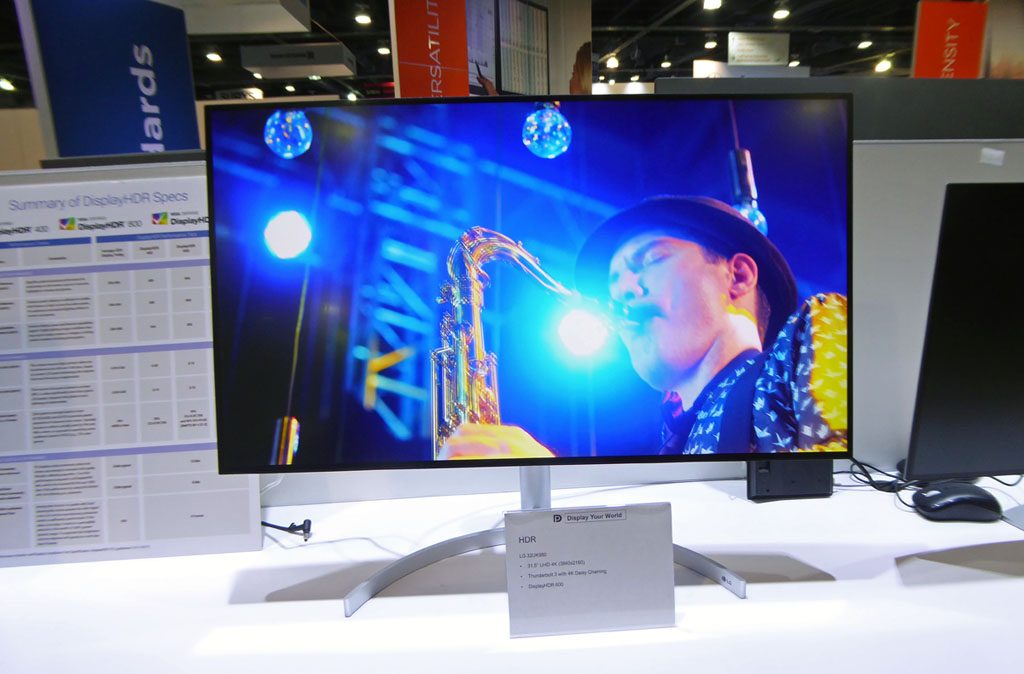
HDMI has dominated display connections for 16 years, but VESA's DisplayPort quietly outpaces it on bandwidth, color depth, and royalty-free accessibility. Now VESA is pushing harder with DisplayHDR certification - a rigorous, numbers-driven standard for HDR and wide color gamut on LCD monitors that makes the UHD Alliance's TV requirements look embarrassingly lax. Whether DisplayHDR can finally shift market momentum away from HDMI's consumer stranglehold is the real question worth watching.

Pete Putman
Columns

Two Keys to Optimal HDR TVs: Dynamic HDR Metadata and Tone Mapping

Dynamic HDR metadata transforms how televisions render high dynamic range content, and most consumers have no idea it exists. Unlike static HDR metadata, which applies a single tone-mapping solution to an entire film, dynamic metadata optimizes each scene individually, preserving color volume where it matters most. Samsung's 2017 HDR lineup already supports SMPTE ST.2094-40, the standard codifying this technology. Understanding tone mapping and color volume could change how you evaluate your next TV purchase.

Ken Werner
Columns

Samsung Moves Front & Center With HDR

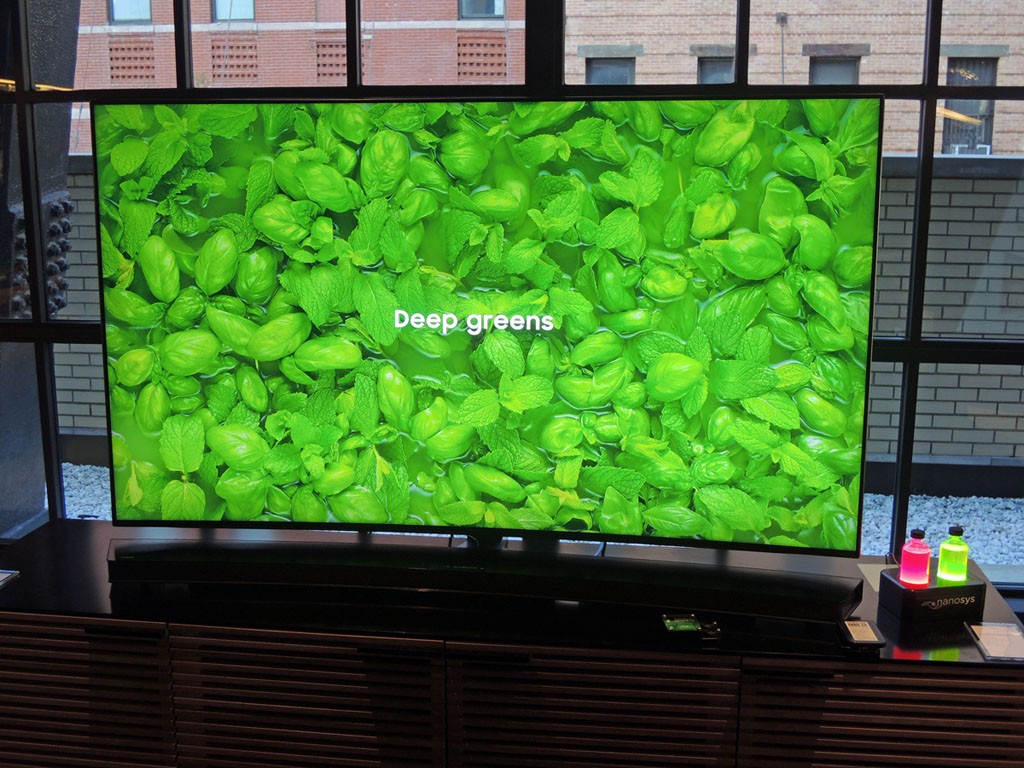
Samsung gathered journalists and engineers at its Manhattan showroom to tackle one of TV's most pressing challenges: measuring and calibrating HDR displays. With peak brightness hitting 1000 cd/m2 and quantum dot backlights pushing colors beyond anything conventional LEDs can manage, the old calibration tools simply don't cut it anymore. New Ultra HD Blu-ray test patterns and updated HDMI standards are rewriting the rulebook - and the implications for every HDR TV buyer deserve close attention.

Ken Werner
Columns

How to Make a TV Look Better

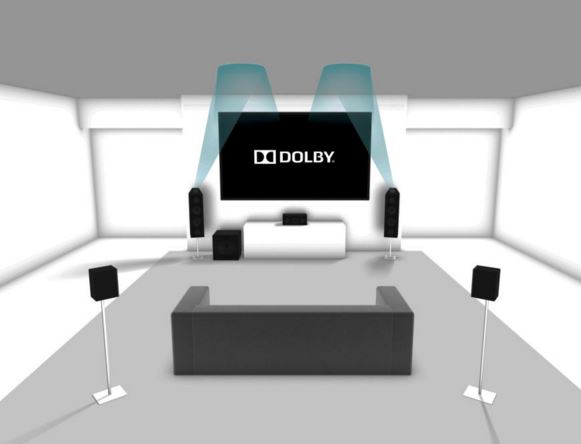
An old retail truth holds that great audio makes a TV look better - and today's immersive sound technology proves those veteran salesmen right. Dolby Atmos, DTS-X, and AURO 3D move far beyond 5.1 surround, adding height channels and object-based placement to wrap listeners in a genuine three-dimensional sound field. Entry-level Atmos systems start under $500, Blu-ray titles are already shipping, and the upgrade path is simpler than you might expect.

Ken Werner
Columns

HDTV and Home Theater Podcast - Podcast #623: Home Theater Calibration Discs

Home theater calibration discs offer a cost-effective alternative to professional ISF calibration, with options ranging from Joe Kane's DVE HD Basics ($39.95) to the Spears and Munsil HD Benchmark ($29.97), each providing video and audio test patterns for HDTV optimization. Formats span DVD and Blu-ray, targeting everything from plasma and LCD to rear-projection displays, with varying levels of technical depth for novice and advanced users alike. Choosing the right disc depends on your familiarity with calibration concepts and whether you need basic setup guidance or direct access to advanced signal testing.

The HT Guys
Podcasts
Living with 4K - Here is the 4K Content

Living with 4K - Here is the 4K Content

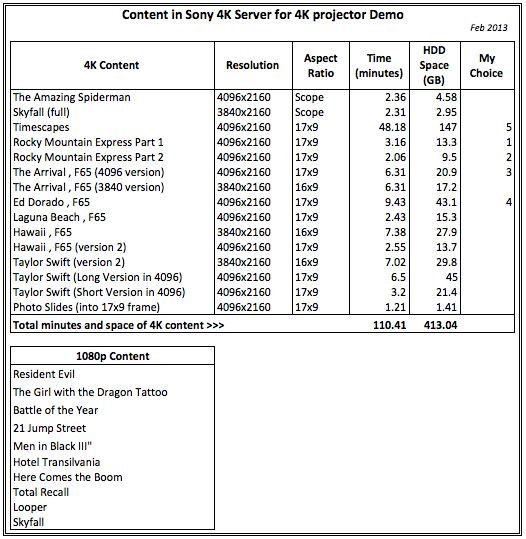
Sony's 4K demo server for projector owners is an HP-based system delivering up to 2 hours of 4K content, including the 48-minute TimeScapes nature film, connected via hi-speed HDMI with only stereo or Dolby 5.1 audio tracks via Toslink. Content is encoded at 8-bit, 4:2:0, Rec-709 color space at 24fps, the same baseline as Blu-ray, leaving the full potential of 4K unrealized in many clips. Viewers evaluating on a 130-inch Stewart Firehawk screen found that well-shot material like the Rocky Mountain Express clips delivered a convincing sense of realism, but inconsistent lighting and compression in other clips made some 4K content indistinguishable from 1080p Blu-ray.

Rodolfo La Maestra
Articles

Technicolor and Portrait Displays Move to Standardize Color on Smaller Screens

Technicolor, leveraging 97 years of film color expertise spanning titles like The Wizard of Oz and Blu-ray mastering, has developed a new color specification targeting notebooks, monitors, tablets, and smartphones, implemented by Portrait Displays. The two companies hold a patent pending on a color-matching process that requires both websites and consumer displays to comply with the Technicolor specification, with compliant sites carrying a 'Technicolor Color Certified' logo. For consumers, this means automatic self-calibration without manual setup or professional fees, and more accurate color reproduction when shopping online or viewing creator-intended content on smaller screens.

Ken Werner
Columns

A Relative Twist to TV Calibration

Professional TV calibration costs ranging from $250 to $900 are increasingly difficult to justify as panel prices fall, raising the question of whether consumers should bear the full cost of achieving a display standard the manufacturer was supposed to meet at the factory. The author distinguishes between calibrating to a grayscale and gamma standard (a manufacturer responsibility) versus adapting image settings to a specific viewing environment such as a bright room or dark home theater. As TV prices drop toward or below calibration costs, the traditional 10% cost ratio that once made sense on an $8,000 Pioneer Elite no longer holds, pushing many buyers toward upgrading hardware rather than calibrating existing sets.

Rodolfo La Maestra
Articles

Does Your LCD Image Look the Same from an Angled View? (Part 1 - The Concept)

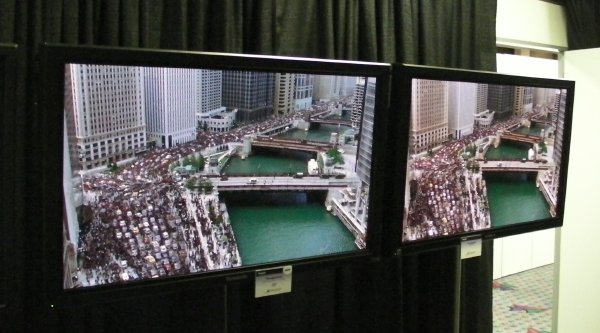
LCD panels suffer measurable color, brightness, and contrast degradation at viewing angles beyond 20 degrees off-center, despite manufacturer claims of 170-plus degree viewing capability - a gap that becomes especially apparent after calibrating sets away from the high-output torch mode used on retail floors. A 3M-commissioned study of nearly 600 consumers found that 84 percent view their TVs from multiple angles, yet 44 percent were initially unaware of quality differences until shown a side-by-side comparison. Understanding this limitation before purchase - by asking dealers to calibrate sets to home-viewing levels and testing from your actual seating angles - can prevent a costly mismatch between showroom impressions and real-world performance.

Rodolfo La Maestra
Articles
Passive 3DTV Brain Perception - An Excuse for Technical Limitations?

Passive 3DTV Brain Perception - An Excuse for Technical Limitations?

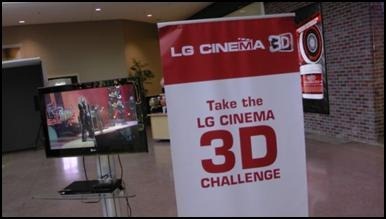
Passive 3DTV technology from LG delivers only 540 lines of vertical resolution per eye, rendering each eye half the resolution of a 3D Blu-ray source, while active-shutter displays preserve full 1080p per eye. LG's consumer tests in retail centers prioritize viewer perception over measurable image quality metrics, sidestepping established Imaging Science calibration standards used to evaluate HDTV fidelity. For buyers seeking accurate reproduction of native dual-1080p 3D content, this resolution trade-off represents a permanent hardware limitation that no firmware update can correct.

Rodolfo La Maestra
Articles

HDTV Expert - Product Review: A Tale of Two (3D) Televisions

A head-to-head comparison of two 47-inch passive 3D LCD TVs, the LG 47LW6500 and Toshiba 47TL515U, reveals critical differences in 3D image calibration behavior: the LG's gamma collapses from a calibrated 2.31 to approximately 1.5 in 3D mode with color temperature spiking above 9300 degrees, while the Toshiba maintains a stable 2.36 gamma and roughly 6800-degree color temperature. The Toshiba also permits menu access during 3D viewing, allowing correction of any residual shifts against the ITU BT.709 color space target. Passive 3D viewers should note that Film Patterned Retarder artifacts force a minimum seating distance of roughly 2x the screen diagonal, directly limiting the immersive potential of both sets.

Pete Putman
Columns

HDTV Expert - Sneak Peek: Panasonic's TH-42BT300U Reference-Grade Plasma Monitor

Panasonic's TH-42BT300U is a 42-inch reference-grade plasma monitor targeting post-production and critical imaging applications, delivering calibrated peak white levels of 75-80 nits in Cinema mode with ANSI contrast of 771:1 and a maximum color temperature shift of just 76 degrees Kelvin across a full 100 IRE screen. The monitor introduces multiple labeled memory presets, a BT.709 color gamut adjustment with custom x,y primary coordinates, and gamma presets from 1.8 to 2.6 that measure accurately in practice. Priced under $5,000, it offers post houses a credible alternative to costly CRT and LCD reference monitors without sacrificing calibration precision.

Pete Putman
Columns

One Installer's Opinion: Encouragement/Discouragement ...... and other matters

A veteran home theatre installer surveys the current AV landscape, highlighting the Epson PC9700UB projector as a standout value with a fully functional CMS capable of independently adjusting Hue, Saturation, and Luminance per primary color - a capability most manufacturers have historically failed to deliver. SpectraCal's CalMAN 4.3 software is credited with making comprehensive CMS calibration a practical workflow. On the downside, edge-lit LCD panels with block dimming measured in hundreds of pixels fall far short of true per-pixel local dimming, and 3D adoption remains stalled by brightness inconsistency, eye fatigue, and thin content pipelines.

Terry Paullin
Columns

HDTV Expert - Product Review: Mitsubishi HC9000 Diamond 3D Projector

The Mitsubishi HC9000D is a 3D front projector using three .61 SXRD LCoS chips and a 230-watt short-arc lamp, delivering a calibrated 2D brightness of 635 lumens with a near-perfect 2.3 gamma curve and color temperature of 6542K. In 3D mode with active shutter glasses, brightness plummets by roughly 87% to 146 lux, making the projector underpowered for low-gain screens at typical home theater throw distances. Buyers should budget for a high-gain screen (6.0 gain or similar) and ideally a 3000-lumen output to achieve satisfactory 3D performance alongside a full 2D calibration.

Pete Putman
Columns

One Installer's Opinion - This Changes Everything ... (About Calibration)

SpectraCal's CalMAN calibration software advances display calibration by automating coordinated measurements across color analyzers, signal sources, and display technologies, delivering gamma readings in under 30 seconds and structured CMS workflows covering greyscale, gamma, and gamut. The software's guided workflow reduces errors for novice calibrators while enabling precise adjustments across display types including LED-based LCD, LCoS, and plasma. For consumers, pairing a well-designed display with a properly equipped calibrator using tools like CalMAN represents the most reliable path to accurate, optimized picture quality.

Terry Paullin
Columns