
True 3D Standardization
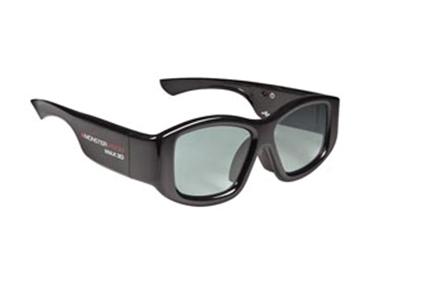
Standardization in 3D technology (and glasses) is a step in the right direction, and the CEA has started an effort toward that objective. At some point, hopefully soon, that effort would have to be reconciled with a similar initiative made by XPAND 3D and Panasonic. Monster has also released their 3D glasses oriented to standardize communication with 3DTVs.
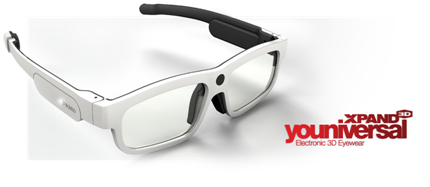 Recent announcements of 3D glasses standardization convey a similar spirit on standardization efforts. However, having customizable features in the glasses, and having "the operation" of active-shutter glasses synchronized with 3DTVs of different manufactures may not be sufficient. An important ingredient for an effective standardization across manufacturers is missing.
What is the missing ingredient?
Proprietary 3D glasses usually have a tint to match the color adjustments manufacturers prefer for their 3DTVs. XPAND 3D (and Monster) claim that the tint on their new glasses is neutral but in order for that to be effective a 3DTV would have to be manufactured or recalibrated to match the neutral color of the 3D glasses. Additionally, for the standard to be effective, such color calibration has to be matched across manufacturers in order to use the same neutral/standardized glasses on any TV.
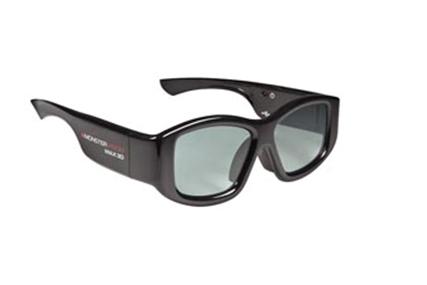
MonsterVision™ MAX 3D GlassesI requested a clarification from XPAND 3D but they have not yet responded. No statements were issued about plans to standardize the color shift of TVs across manufacturers, nor have they addressed the issues of backward compatibility with existing 3DTVs allowing for possible scenarios of homes having a mix of proprietary and standardized 3D glasses, whereby some expensive proprietary glasses may have to be discarded if they have different tints even when they can communicate with the TVs.
Here is a test that was done last year regarding the subject.
In other words, existing 3DTVs may need to be recalibrated to match the neutral tint of the new standard glasses, but once the TVs are calibrated they would not be matching the color requirements of the original 3D glasses purchased for that given 3DTV, certainly impacting the investment made in proprietary glasses for a particular 3DTV.
Even if the TV manufacturers eventually would agree to standardize their color shift of their new 3DTVs to match neutral tint standardized 3D glasses, and even if legacy 3DTVs may be ISF recalibrated to match standardized 3D glasses (at an extra cost to the consumer), the issue of potentially limited reusability of previously purchased proprietary 3D glasses that could be rendered useless seems to be overlooked in the announcements of the 3DTV companies participating in this effort. One possibility could be that manufacturers would offer consumers a trade-in program so proprietary glasses can be replaced with newer standardized glasses (for a minor cost? No cost?).
Until this matter is clarified, if I would be looking for a new 3DTV and would be attractive to having 3D standard glasses to use with different 3DTV brands, I would not buy a "so called" standardized 3D glasses until the major 3DTV manufactures embrace that single standard "and" make their 3DTVs calibrated with color adjustments out-of-the-box matching the neutral tint of the standard glasses.
Otherwise, I would only purchase universal standardized glasses and have all existing and future 3DTVs at home ISF calibrated to match the neutral tint of the glasses. That would certainly add to the cost of ownership but the TVs would benefit with ISF calibration for 2D and 3D regardless.