Standards

AV-over-IT, Unplanned Obsolescence, and Unintended Consequences

AV-over-IP is reshaping more than signal routing - it's quietly dismantling the engineering workforce that built broadcast and professional AV from the ground up. As facilities trade dedicated technical staff for IT generalists and swap capital hardware investments for disposable commodity gear, the industry faces a reckoning few are openly discussing. Whether this shift delivers genuine efficiency or simply trades deep expertise for short-term savings remains an open and urgent question.

Pete Putman
column

HPA Tech Retreat 2019: 8K Is Here, Ready Or Not…

8K television is arriving faster than the industry can support it. Supply chain decisions in Asia are driving Chinese fabs to mass-produce 8K panels, anticipating five million shipments by 2022, yet critical pieces remain missing: lenses, display interfaces, codecs, and content are all lagging behind. AI-powered upscaling may bridge the gap temporarily, but the deeper question raised at HPA Tech Retreat 2019 challenges whether chasing pixel counts is even the right priority anymore.

Pete Putman
column

HDMI 2.1 Update – Pretty Much Status Quo

HDMI 2.1 arrived with a quantum leap in bandwidth - jumping from 18 Gb/s to a stratospheric 48 Gb/s - yet a New York press conference revealed surprisingly little new ground. Packet-based signaling, DSC compression, and Socionext chipsets are moving the standard forward, but optical support remains absent and manufacturer adoption stays murky. With 8K TVs hitting shelves and high frame rate video looming, the real test comes at CES.

Pete Putman
Columns

Measuring Up With DisplayHDR

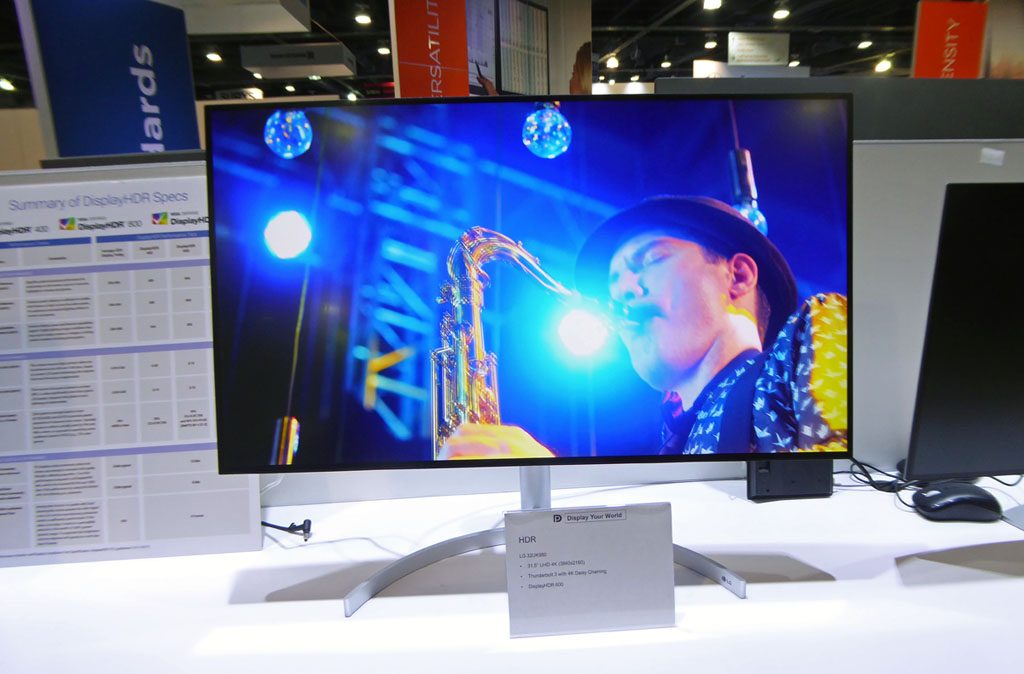
HDMI has dominated display connections for 16 years, but VESA's DisplayPort quietly outpaces it on bandwidth, color depth, and royalty-free accessibility. Now VESA is pushing harder with DisplayHDR certification - a rigorous, numbers-driven standard for HDR and wide color gamut on LCD monitors that makes the UHD Alliance's TV requirements look embarrassingly lax. Whether DisplayHDR can finally shift market momentum away from HDMI's consumer stranglehold is the real question worth watching.

Pete Putman
Columns

High Dynamic Range: It’s Here!

High dynamic range imaging has arrived, and it is reshaping how displays reproduce light, shadow, and color. HDR expands tonal capture from roughly 11 f-stops to 22, pushing peak brightness into the thousands of cd/m2 while wide color gamut unlocks over one billion color shades. Prices are falling fast, HDMI and DisplayPort standards are scrambling to keep pace, and industries from medical imaging to military simulation are already taking notice.

Pete Putman
Columns

Two Keys to Optimal HDR TVs: Dynamic HDR Metadata and Tone Mapping

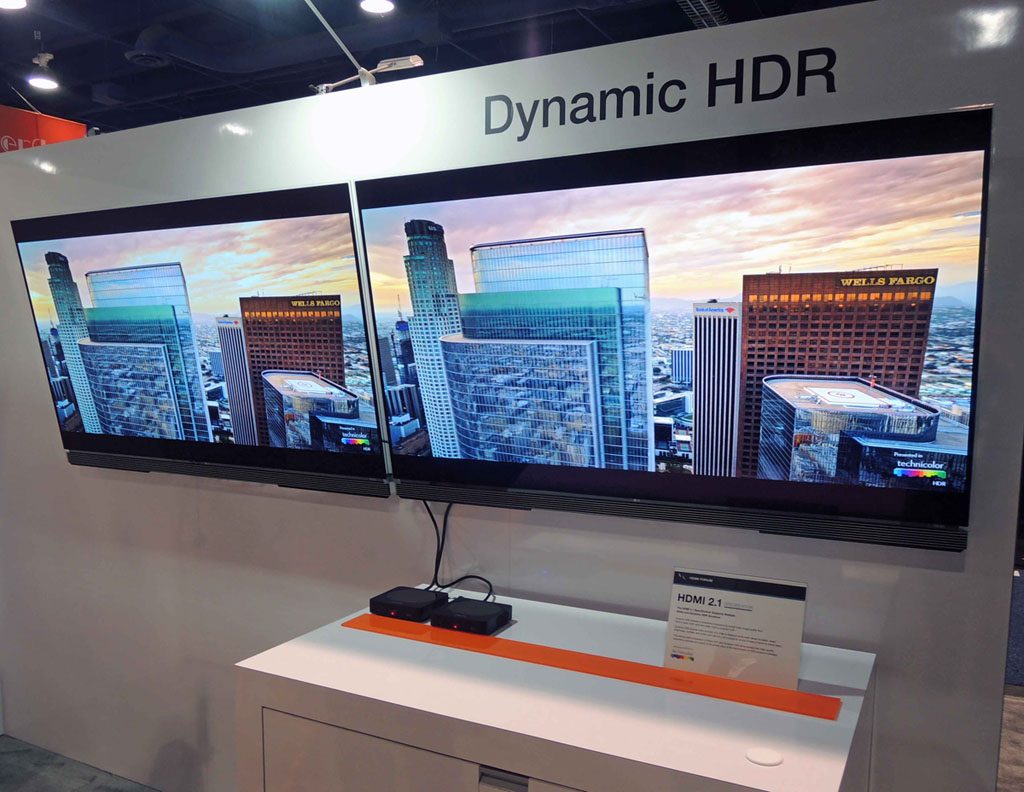
Dynamic HDR metadata transforms how televisions render high dynamic range content, and most consumers have no idea it exists. Unlike static HDR metadata, which applies a single tone-mapping solution to an entire film, dynamic metadata optimizes each scene individually, preserving color volume where it matters most. Samsung's 2017 HDR lineup already supports SMPTE ST.2094-40, the standard codifying this technology. Understanding tone mapping and color volume could change how you evaluate your next TV purchase.

Ken Werner
Columns

HDMI 2.1: The Need For Speed Continues

HDMI 2.0 barely squeezed 4K/60 through its 18 Gb/s pipe, leaving HDR and wide color gamut stranded without adequate bandwidth. HDMI 2.1 answers with a jaw-dropping 48 Gb/s, achieved through an extra data lane, doubled per-lane speeds, and a leaner 16b/18b coding scheme that cuts overhead from 20% to 12%. Whether this spec translates into real products quickly enough to matter - before AV-over-IP rewrites the rulebook entirely - is the question worth watching.

Pete Putman
column

Hey, Whatever Happened To superMHL?

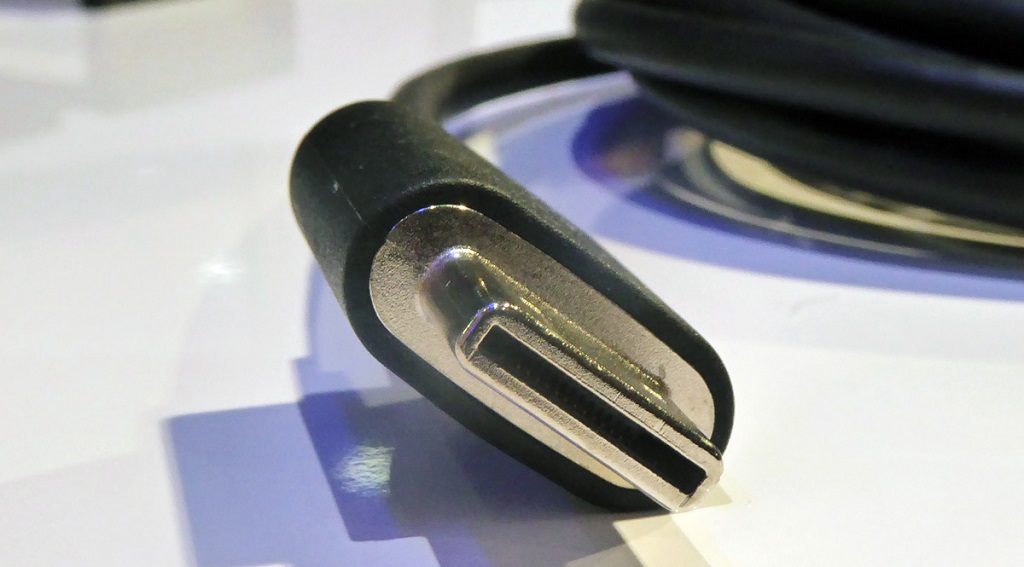
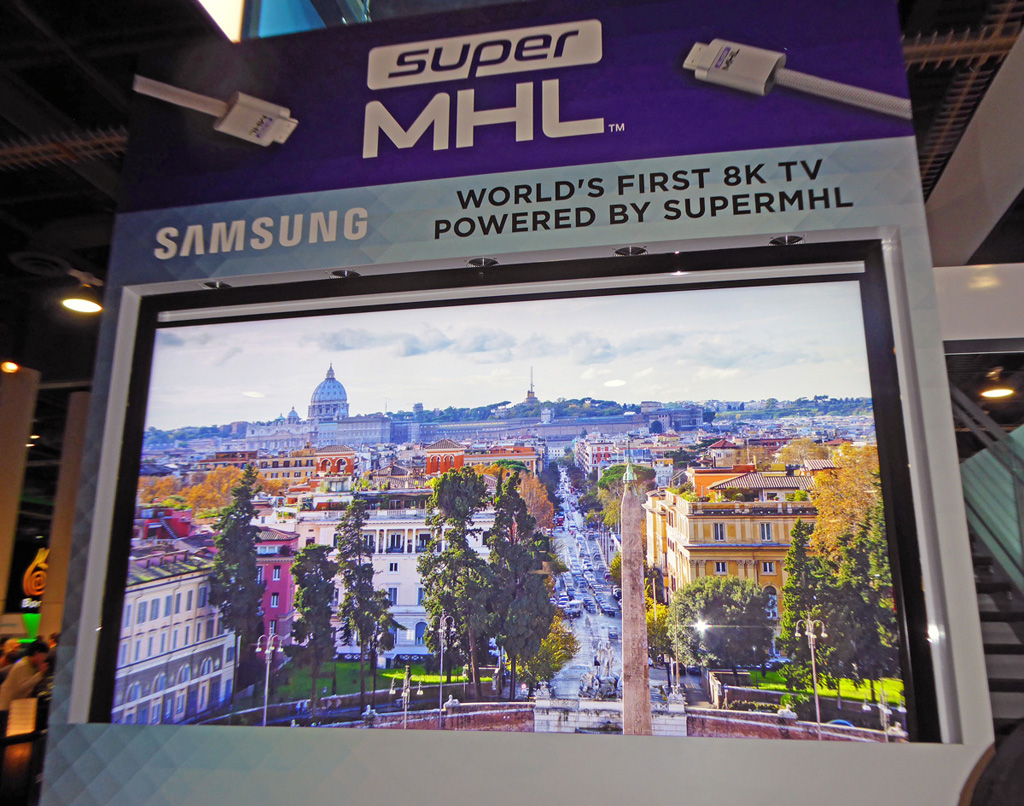
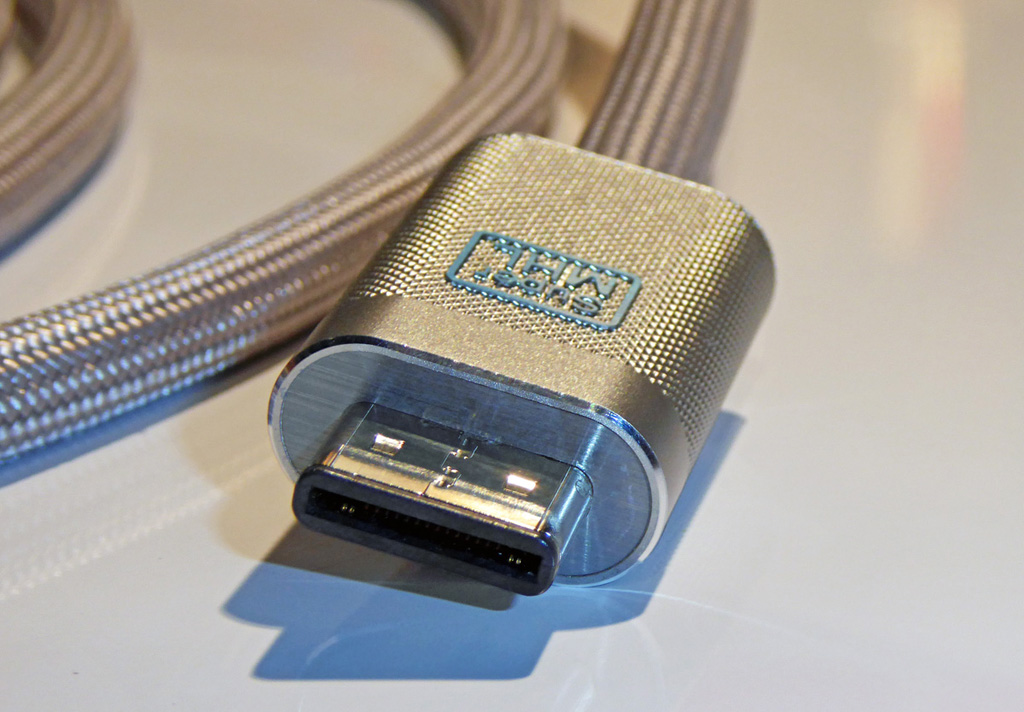
Sometimes the most impressive technology never makes it out of the demo room. Silicon Image unveiled superMHL two years ago with jaw-dropping specs: 36 Gb/s throughput, 8K support, USB Type-C compatibility, and a symmetrical plug design that outpaced every rival interface. Yet despite stunning trade show demonstrations, superMHL has gone nearly silent in the market. The reasons involve royalty streams, slow HDMI 2.0 adoption, and a branding identity crisis that may have doomed a genuinely superior connector before it ever shipped.

Pete Putman
Columns

Display Interfacing: Welcome to Babylon

Plugging in a yellow RCA connector once defined video interfacing. Today, competing standards - HDMI 2.0, DisplayPort, superMHL - are pulling commercial AV integrators in dangerous directions while 4K and UHD demand more bandwidth than most installed systems can deliver. IP-based distribution architectures already solve these problems for broadcasters and telecom operators. The real question is whether commercial AV professionals will make the leap before their HDMI investments become expensive dead ends.

Pete Putman
Columns

Look Out, HDMI – Here Comes Super MHL!

Super MHL just crashed the display interface party. The MHL Consortium's superMHL specification delivers a staggering 36 Gb/s across six lanes, supports 8K at 120 Hz, HDR, BT.2020 wide color, and object audio - all through a reversible 32-pin connector compatible with USB Type-C. Where HDMI 2.0 hits a hard speed ceiling at 18 Gb/s, superMHL blows past it with room to spare. Whether it displaces HDMI or carves its own niche in the next-generation display ecosystem is a question worth watching closely.

Pete Putman
column

Ultra HD: Live From the 2015 HPA Tech Retreat

Behind Ultra HD's marketing gloss lies a tangle of unfinished standards, compatibility traps, and engineering challenges that CES never mentions. Live from the 2015 HPA Tech Retreat, industry insiders are wrestling with HDR mastering gaps, HDCP 2.2 backward-compatibility failures, HDMI 2.0 speed limits, and color rendering differences across LCD, quantum dot, and OLED displays. Early adopters face real risks before the full Ultra HD ecosystem is ready to fly.

Ken Werner
Columns

There’s fast…and then there’s FAST.

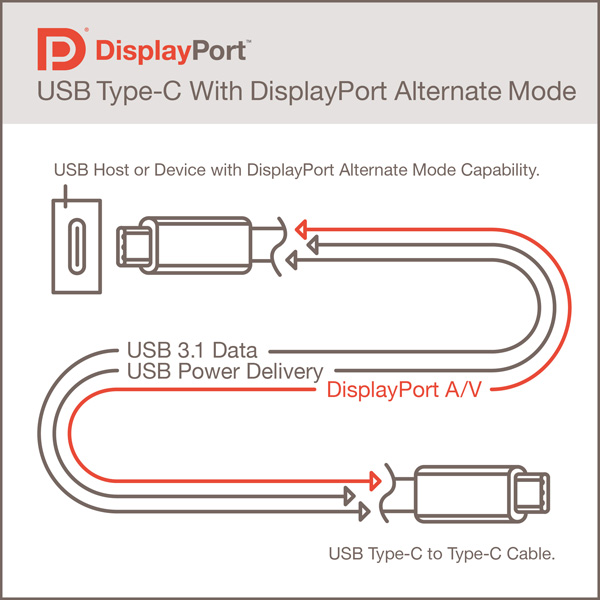
HDMI 2.0 raised the bar with 18 Gb/s bandwidth, but DisplayPort 1.3 nearly doubles that with a staggering 32 Gb/s - enough to carry 4K/60Hz video at 10-bit color depth without breaking a sweat. Now, VESA and the USB 3.0 Promoter Group have pushed the envelope further with USB Type-C Alternate Mode, merging high-speed data, 100-watt power delivery, and full DisplayPort capability into a single reversible connector. The implications for 4K content delivery are only beginning to unfold.

Pete Putman
column

Living with 4K - Bought an UHDTV? wait, is it Upgradeable?

Early UHDTV adopters face potential obsolescence as the ITU Rec. 2020 standard introduces features beyond 4K pixel resolution, including 10/12-bit color depth, 4:2:2 and 4:4:4 chroma subsampling, HDCP 2.2 content protection, and HDMI 2.0 support for 4K at 60fps - capabilities many current displays cannot handle. Most manufacturers offer no upgrade path, while Samsung's replaceable connectivity box and Sony's in-home hardware upgrades for models like the $25,000 VW-1000 projector represent notable exceptions. Buyers should carefully evaluate upgrade commitments before purchasing, as connectivity gaps similar to the HDTV-to-HDMI transition of 1998-2003 could strand millions of early adopters again.

Rodolfo La Maestra
Articles
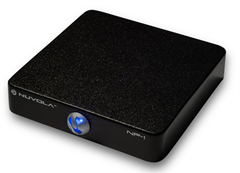
Living with 4K - Nuvola 4K Player NP-1

Living with 4K - Nuvola 4K Player NP-1

The Nuvola NP-1 is a $299 4K media player powered by an NVIDIA Tegra 4 quad-core processor with 72 GPU cores, running Android 4.2 and featuring a single HDMI 1.4 output limited to 4:2:0 chroma subsampling at 8-bit depth and 24/30 fps. It supports H.264-based 4K streaming and local playback via USB 3.0 storage, with H.265/HEVC support promised via firmware update, but its single-HDMI design forces buyers to use an HDMI splitter or sacrifice multichannel audio. Compared to Sony's $699 FMP-X1, the NP-1 offers broader TV compatibility and lower cost, though its video and audio connectivity limitations have real consequences for home theater installations.

Rodolfo La Maestra
Articles

HDTV Expert - The Diverging Fortunes of Sony, Panasonic, and Sharp: Is There Life After Television?

Sony posted a net operating loss of $197M in Q2 2013, with its TV division alone losing $95M, while Panasonic raised its operating profit forecast to $2.75B after downsizing plasma TV operations and exiting plasma manufacturing entirely by March 2014. Sharp returned a $138M profit driven by solar cell demand, recovering from a $5.5B loss just one year prior. For consumers and investors, the data signals that Japanese TV brands face structural pricing pressure from Samsung, LG, and Chinese manufacturers like Hisense and TCL, with even the shift to 4K LCD TVs at roughly $80 per inch unlikely to reverse the trend.

Pete Putman
Columns