Emerging Tech

AV-over-IT, Unplanned Obsolescence, and Unintended Consequences

AV-over-IP is reshaping more than signal routing - it's quietly dismantling the engineering workforce that built broadcast and professional AV from the ground up. As facilities trade dedicated technical staff for IT generalists and swap capital hardware investments for disposable commodity gear, the industry faces a reckoning few are openly discussing. Whether this shift delivers genuine efficiency or simply trades deep expertise for short-term savings remains an open and urgent question.

Pete Putman
column

HPA Tech Retreat 2019: 8K Is Here, Ready Or Not…

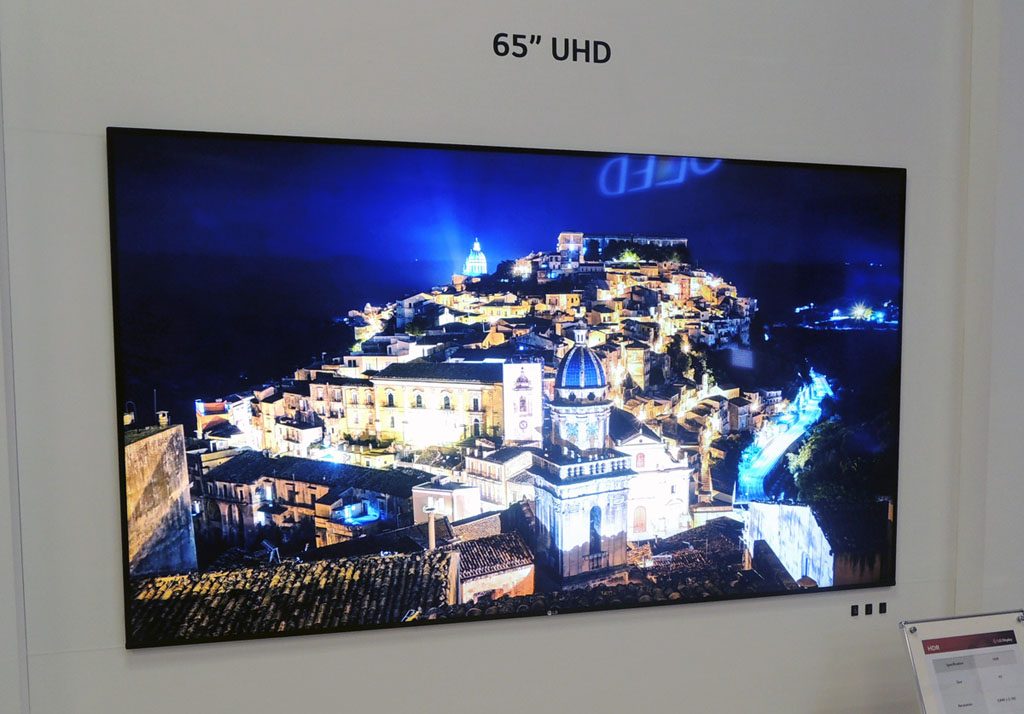
8K television is arriving faster than the industry can support it. Supply chain decisions in Asia are driving Chinese fabs to mass-produce 8K panels, anticipating five million shipments by 2022, yet critical pieces remain missing: lenses, display interfaces, codecs, and content are all lagging behind. AI-powered upscaling may bridge the gap temporarily, but the deeper question raised at HPA Tech Retreat 2019 challenges whether chasing pixel counts is even the right priority anymore.

Pete Putman
column

InfoComm 2018 In The Rear View Mirror

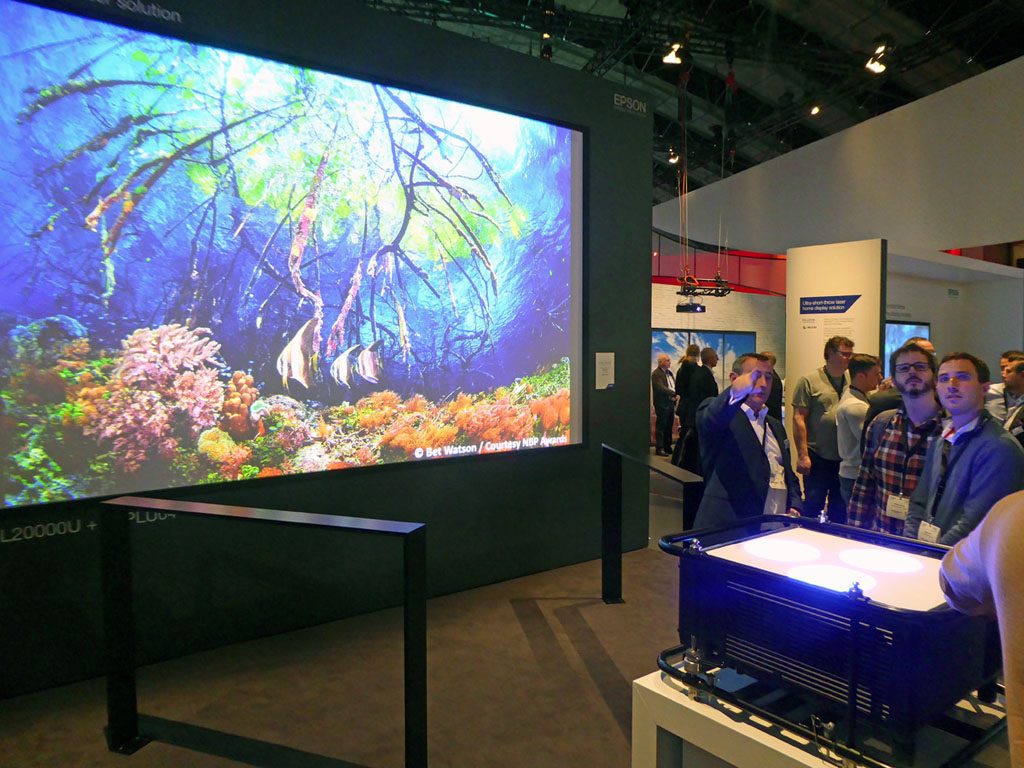
InfoComm 2018 delivered two unavoidable themes: LED displays dominating every corner of the Las Vegas Convention Center and AV-over-IT reshaping signal distribution. Yet beneath those headlines, sharper conversations emerged around 8K video tiling, voice-controlled AV systems demanding two-factor authentication, and 5G networks threatening to upend wireless connectivity as we know it. Our industry is accelerating toward changes that will redefine how professionals design, install, and secure audiovisual systems in the coming decade.

Pete Putman
Columns

Heads Up! Here Comes 8K TV (or, The Case Of The Amazing Vanishing Pixels)

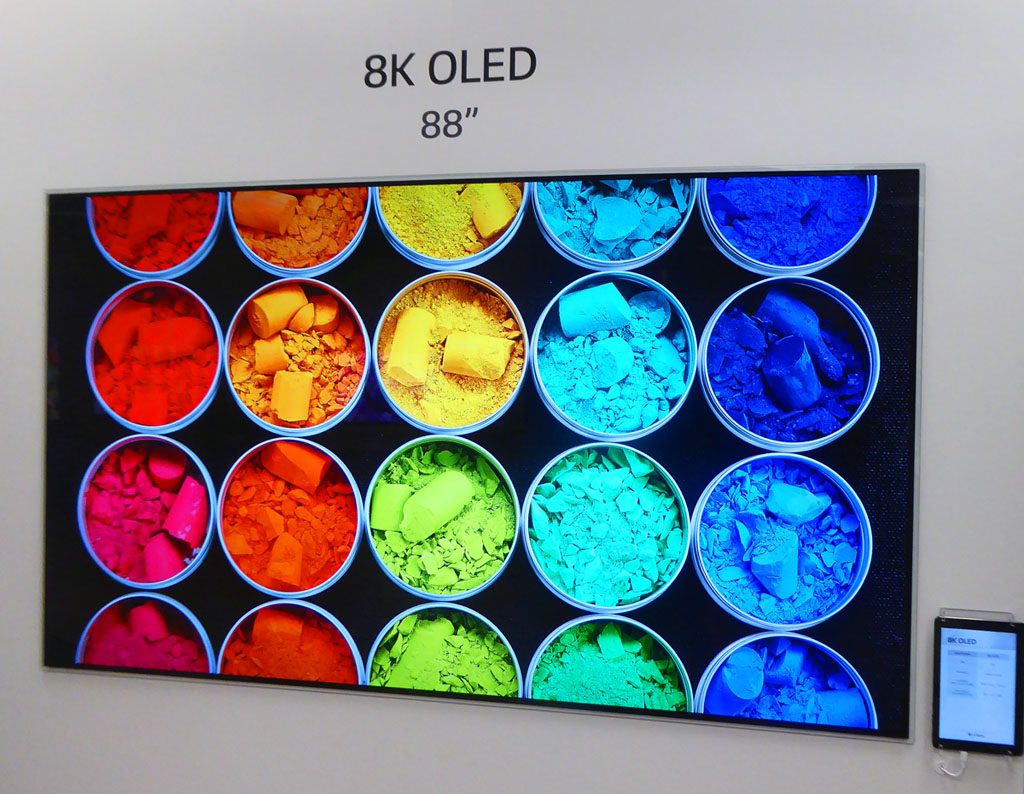
8K displays are arriving faster than most consumers expected, with nearly 6 million units projected to sell by 2022. Sharp, Sony, Samsung, and LG are already producing panels, while Japan's NHK drives 8K broadcasting toward the 2020 Tokyo Olympics. IGZO transistors promise 120Hz refresh rates and lower power consumption, making 8K technically formidable. Meanwhile, 4K pricing collapses into mainstream territory, raising a provocative question about what signal distribution infrastructure must overcome before 8K reaches your living room.

Pete Putman
column

ISE 2018 In the Rear View Mirror

Amsterdam's Integrated Systems Europe 2018 drew 70,000 attendees and one dominant theme: AV signal distribution migrating to IT networks. Codec wars erupted on the show floor, with Crestron, SDVoE, and HDBaseT trading latency claims in competing side-by-side demos. Micro-LED displays threatened projector dominance, collaboration tools raced toward analytics, and plummeting hardware costs quietly reshaped the entire commercial AV landscape. The full picture reveals just how fast this industry is transforming.

Pete Putman
Columns

Useful Gadgets (And They’re Smart, Too!): IO Gear Ultra Long Range Wireless HDMI Link And Amped Wireless Apollo PRO Long Range HD Web Cam

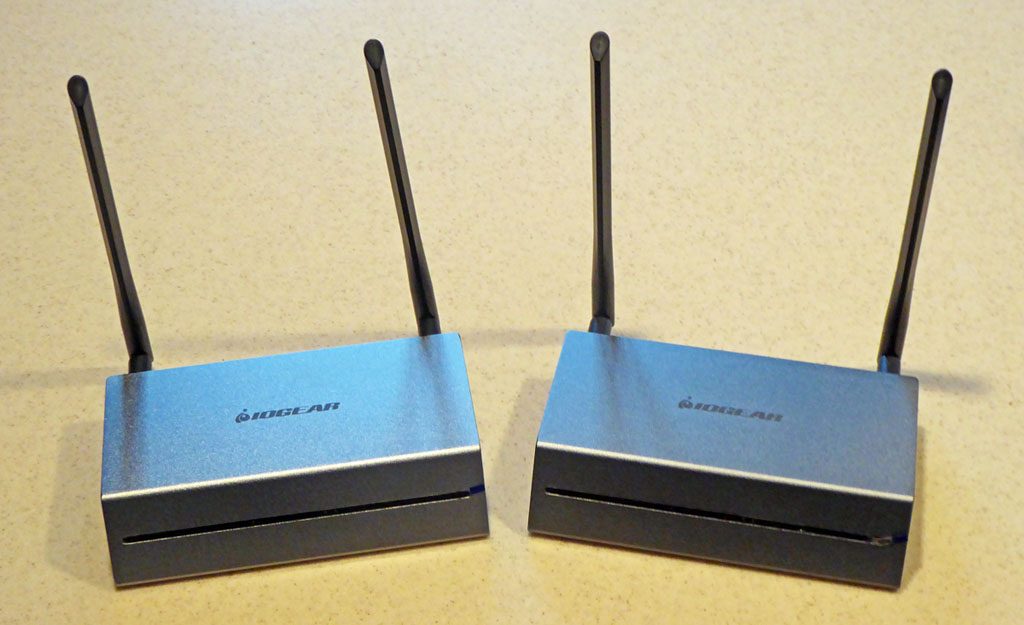
Wireless connectivity has transformed consumer electronics, and two products push that evolution further. IO Gear's Ultra Long Range Wireless HDMI Link streams Full HD video up to 600 feet using bonded 5 GHz WiFi channels, while Amped Wireless's Apollo PRO delivers 720p HD surveillance with motion-triggered cloud recording. Both auto-configure with minimal setup and pack limited AI smarts into capable hardware. Whether either justifies its premium price tag depends entirely on your installation demands.

Pete Putman
column

On China, IoT, AI, and Trade Shows

Global electronics manufacturing has shifted dramatically eastward, and the ripple effects are reshaping everything from your living room TV to professional AV installations. Chinese brands like TCL and Hisense now sell 4K televisions under $500, forcing established players to slash prices across the board. Add IoT connectivity and AI-driven automation into the mix, and the entire industry faces a reckoning - one that trade show floor plans are already quietly reflecting.

Pete Putman
column

InfoComm Tech Trends for 2017

HDR compatibility is flooding trade show floors and product spec sheets, but what does it actually mean for signal management? High dynamic range demands far more than wider luminance - it requires 10- to 12-bit color depth, expanded Rec.2020 color gamut, and data rates that push HDMI 2.0 to its limits. Quantum dots, OLED, and compression tools like Display Stream Compression each play a role in solving the bandwidth puzzle, and the full picture is more nuanced than any marketing badge suggests.

Pete Putman
Columns

CES 2017: Afterthoughts and Second Thoughts

CES 2017 delivered more than flashy gadgets and headline TVs. Asian manufacturers now dominate entire hall sections, appliance profit margins are quietly reshaping CE giants' strategies, and LED technology is overtaking every display category imaginable. VR headsets still carry serious comfort and resolution hurdles, while IoT products multiplied beyond any reasonable count. Weeks of reflection reveal which trends actually matter and which shiny, sparkly distractions will fade before next January.

Pete Putman
column

OLEDs Can Fold. So What?

Folding OLED displays sound revolutionary, but the physics and consumer behavior tell a different story. Stack three layers of polymer OLED, touch panels, and Gorilla glass onto a robust locking hinge, and you have something suspiciously thick - and suspiciously clamshell. North American and Asian consumers already rejected clamshells once. Clever engineers can solve individual design challenges, but compromising both phone and tablet experiences to merge them raises a harder question. One practical application for truly flexible OLEDs does exist, though.

Ken Werner
Columns

InfoComm 2016 In The Rearview Mirror

Twenty-three InfoComms in, and the shifts are impossible to ignore. Software and managed services are quietly displacing expensive hardware, laser-phosphor light engines are making projection lamps obsolete, and Chinese manufacturers are reshaping the display wall market with stunning 8K LED installations. AV-over-IP distribution is accelerating fast enough that 185 attendees packed a single class, some sitting on the floor. The full picture of where professional AV is heading may surprise even seasoned industry watchers.

Pete Putman
Columns

AV-over-IP: It’s Here. Time To Get On Board!

Legacy HDMI switching matrices are expensive, bandwidth-capped, and already obsolete. As the broadcast, telecom, and streaming worlds complete their migration to IP infrastructures, the commercial AV industry keeps clinging to proprietary display interfaces and Band-Aid extensions. Standard codecs, off-the-shelf network switches, and optical fiber offer a faster, more scalable, and genuinely future-proof alternative. Whether the industry embraces the shift willingly or gets dragged along, one thing is certain: AV-over-IP is coming for everything.

Pete Putman
column

NAB 2016: Thoughts and Afterthoughts

Twenty-two consecutive NAB Shows build perspective, and 2016 delivered plenty to absorb. From live ATSC 3.0 broadcasts bouncing off Black Mountain to Nokia's eight-lens VR camera that genuinely resembles a hair dryer, broadcasting's transformation from tape-and-SDI to IP-and-streaming has never felt more dramatic. Canon now owns the show's biggest booth while Panasonic's once-dominant presence has shrunk by half. Whether virtual reality avoids 3D's stumbles remains the question worth watching.

Pete Putman
column

A More Mobile Mobile is Coming

Mobile data traffic will explode to 367 exabytes by 2020, with video driving 75% of that load - but autonomous vehicles and connected cars are quietly reshaping what mobile networks must deliver. Five defined levels of vehicle automation reveal a surprising gap: Level 3 may be too dangerous for human drivers to manage, forcing automakers to leap straight to full self-driving. The social dimension of man-machine interaction raises questions nobody has quite answered yet.

Ken Werner
Columns

Are the Folks at QD Vision Worried?

QD Vision's bullish Display Week presentation masks a growing structural threat. Direct backlighting captured over 60% of the TV market in 2014, and its compatibility with local dimming makes it essential for high dynamic range - a feature consumers actually respond to. Meanwhile, QDEF film from 3M and Nanosys delivers identical color gamut benefits without QD Vision's edge-lighting limitation. New Hisense ULED sets prove the momentum is real, and QD Vision's path forward may require a fundamental reinvention.

Ken Werner
Columns