HDTV Broadcasting

NAB 2019: Where Does It Go From Here?

NAB 2019: Where Does It Go From Here?

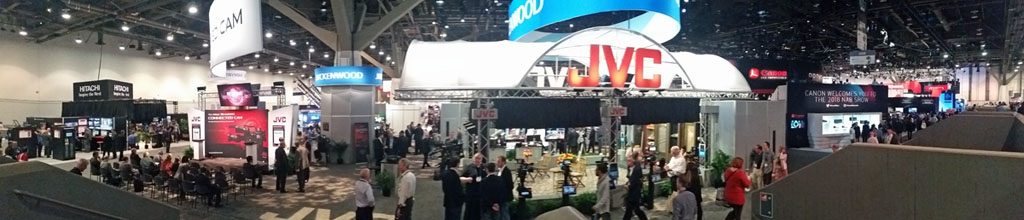
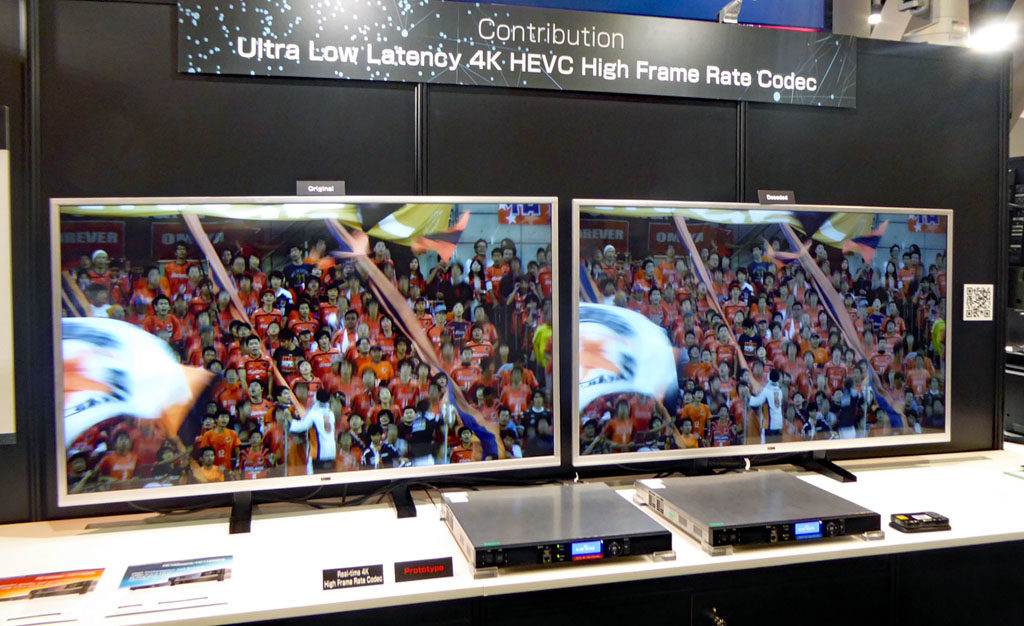
Twenty-five years of NAB Show attendance offers a striking vantage point: enormous hardware booths have shrunk, tape has vanished, and software now rules a floor once dominated by six-figure broadcast gear. Attendance dropped 11.6% in two years, and the show's identity feels uncertain. Yet 8K cameras from Sony, Sharp, Ikegami, and others signal where professional video is heading, with the 2020 Olympics poised to accelerate adoption in ways few anticipated.

Pete Putman
column

Spectrum Repacking and Channel Scans

Spectrum repacking is reshaping over-the-air television as the FCC squeezes remaining broadcasters into tighter frequency bands. Stations are going dark, sharing channels, and leaning on stat muxing and adaptive bitrate encoding to survive the transition. NBC, Telemundo, and local independents are already consolidating signals in Philadelphia, New York, and the Lehigh Valley. OTA viewers who skip regular channel scans risk staring at dead air without knowing why - and the reshuffling is far from over.

Pete Putman
Columns

Goodbye, Quality?

Over-the-air HD broadcasting is changing fast, and not always for the better. The FCC's spectrum auction forced dozens of stations off their channels, pushing broadcasters into shared multiplexes where bit rates have plummeted from 14 Mb/s to as low as 3 Mb/s for HD content. Philadelphia's UHF band tells the story clearly - ten dark channels, four stations crammed onto a single VHF carrier. Whether ATSC 3.0 can rescue broadcast quality before viewers stop caring is the real question.

Pete Putman
Columns
NAB 2018 In The Rear View Mirror

NAB 2018 In The Rear View Mirror

NAB 2018 felt quieter than usual, with smaller booths and empty halls signaling an industry caught between legacy infrastructure and an IP-driven future. Sharp's 8K production pipeline for the 2020 Tokyo Olympics proved genuinely ready, while the AV-1 codec coalition threatened to upend H.265 licensing economics entirely. ATSC 3.0 deployments and a shrinking VR presence rounded out a show full of questions that may take years to answer.

Pete Putman
Columns
Useful Gadgets: Winegard FlatWave AIR Amplified Outdoor TV Antenna

Useful Gadgets: Winegard FlatWave AIR Amplified Outdoor TV Antenna

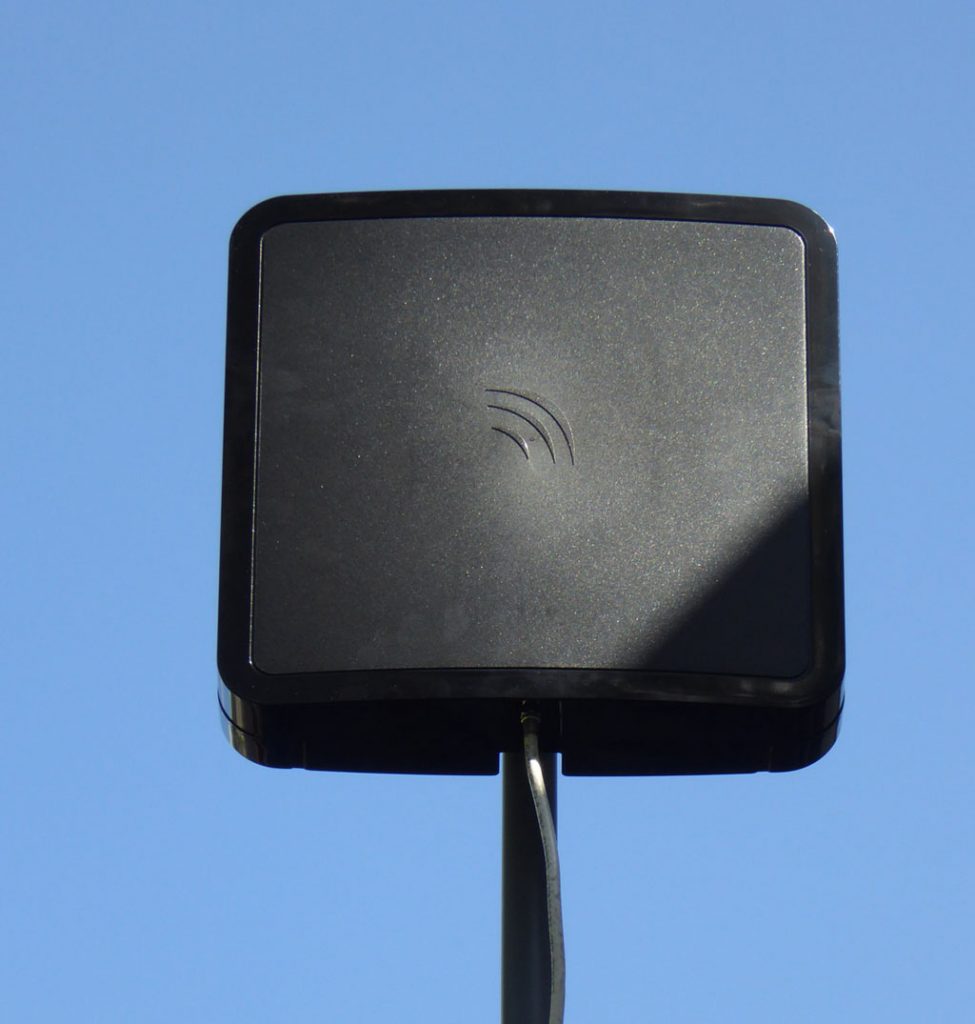
Winegard has been building TV antennas since 1954, so expectations run high for the FlatWave AIR amplified outdoor model. Field testing against competing antennas reveals strong UHF performance but a troubling noise floor that swamps low-band VHF signals entirely. With the FCC channel repack pushing more stations onto channels 2-6, that weakness matters more than ever. Whether the FlatWave AIR earns a place on your rooftop depends heavily on one critical factor.

Pete Putman
Columns
Broadcast TV Spectrum Repacking: The Devil Is In The Details

Broadcast TV Spectrum Repacking: The Devil Is In The Details

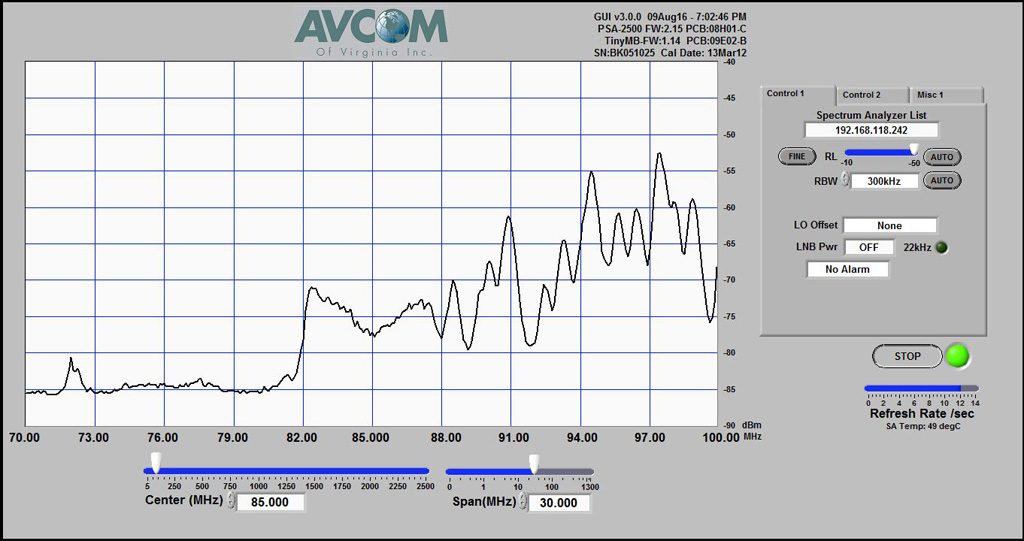
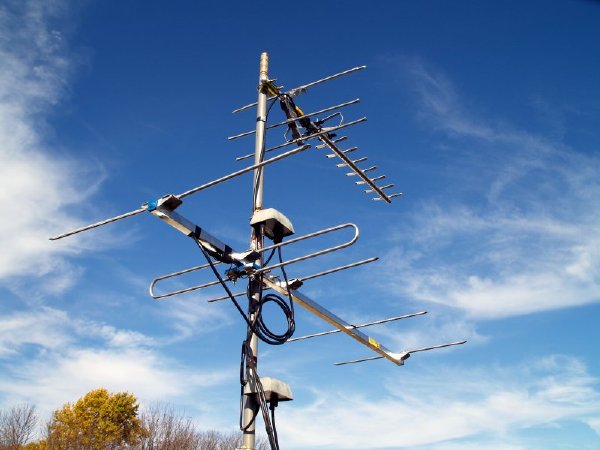
Broadcast TV spectrum repacking is coming, and for millions of antenna users, the consequences could be frustrating. As UHF channels above 37 get reallocated for Wi-Fi and mobile services, some stations face forced moves to low-band VHF frequencies - channels notorious for interference, noise, and demanding larger antennas. Real-world signal tests reveal just how difficult reception can become. Whether you need rabbit ears or a full rooftop upgrade depends heavily on where your local stations end up landing.

Pete Putman
Columns
NAB 2016: Thoughts and Afterthoughts

NAB 2016: Thoughts and Afterthoughts

Twenty-two consecutive NAB Shows build perspective, and 2016 delivered plenty to absorb. From live ATSC 3.0 broadcasts bouncing off Black Mountain to Nokia's eight-lens VR camera that genuinely resembles a hair dryer, broadcasting's transformation from tape-and-SDI to IP-and-streaming has never felt more dramatic. Canon now owns the show's biggest booth while Panasonic's once-dominant presence has shrunk by half. Whether virtual reality avoids 3D's stumbles remains the question worth watching.

Pete Putman
column

CES 2016: Some Second Thoughts

Broadcasting stands at a crossroads as the FCC prepares its landmark spectrum auction, forcing TV stations to choose between survival and a massive payday. Decades of UHF history-from near-worthless frequencies to prime digital real estate-now collide with wireless industry ambitions and cord-cutter needs. Reverse auction bids reveal surprising truths: CBS New York opens at $900 million just to go dark, suggesting major broadcasters aren't ready to quit. What happens next could reshape how Americans receive free television forever.

Pete Putman
Columns

One Man’s Junk IS Another Man’s Treasure!

Next March, the FCC will hold a landmark spectrum auction forcing TV broadcasters to decide whether their UHF channels are worth keeping or selling to the highest bidder. What began as worthless real estate in the 1960s has become prime wireless real estate worth hundreds of millions. CBS flagship WCBS opens its reverse bid at $900 million, while smaller markets offer relative bargains. The real question is what disappears from your antenna after the dust settles.

Pete Putman
Columns

Humpty Dumpty Strikes Again!

Aereo's Supreme Court defeat exposed a brazen attempt to redefine technical terminology - labeling entire broadcast receiver systems as mere 'antennas' to dodge copyright law. The 6-3 SCOTUS ruling correctly identified Aereo as functionally equivalent to a cable TV system. Now, in a stunning reversal, Aereo is petitioning courts for a compulsory license as exactly the kind of cable system it spent years insisting it was not. Lewis Carroll would be proud.

Pete Putman
column
Deconstructing Aereo

Deconstructing Aereo

Aereo's Supreme Court battle hinges on whether each dime-sized antenna truly functions independently for individual subscribers. A licensed Amateur Extra Class operator and decades-long RF engineer digs into the physics behind Aereo's antenna arrays, revealing a critical gap between legal argument and electromagnetic reality. Close-spaced antenna elements don't behave in isolation - and that inconvenient truth may matter more than any courtroom brief.

Pete Putman
Columns
NAB 2014 In The Rear View Mirror

NAB 2014 In The Rear View Mirror

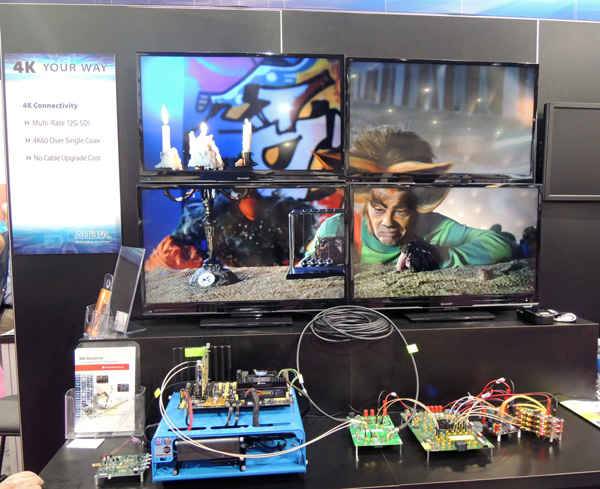
NAB 2014 delivered more flux than fanfare, yet the show packed genuine innovation into every hall. ATSC 3.0 concept broadcasts squeezed Quad HD, 2K, and SD into a single 6 MHz channel, NHK streamed live 8K from a 4-pound camera, and BlackMagic shook the industry with a 4K field camera priced under $6,000. Beneath the surface, a deeper shift toward IP-based production, HEVC encoding, and cloud delivery signals television's next transformation.

Pete Putman
Columns
WABC, Cablevision Kiss and Make Up. Who’s Next?

WABC, Cablevision Kiss and Make Up. Who’s Next?

Disney-owned WABC pulled its signal from Cablevision just as the Oscars began, restoring it roughly 15 minutes in after a retransmission fee deal was struck near 60 cents per subscriber. The standoff highlights a growing industry shift away from must-carry rules toward paid carriage agreements. With Disney's Time Warner negotiations looming in August, these disputes will only intensify - and knowing how to pull a free HD signal with an antenna may prove more valuable than ever.

Pete Putman
column