LCD TVs

Measuring Up With DisplayHDR

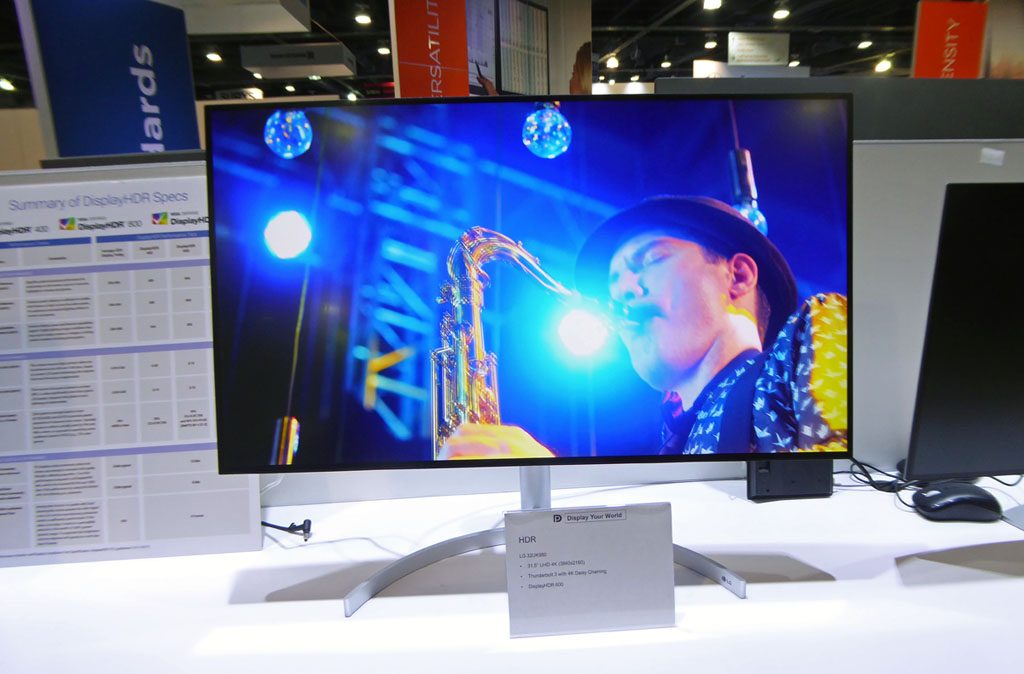
HDMI has dominated display connections for 16 years, but VESA's DisplayPort quietly outpaces it on bandwidth, color depth, and royalty-free accessibility. Now VESA is pushing harder with DisplayHDR certification - a rigorous, numbers-driven standard for HDR and wide color gamut on LCD monitors that makes the UHD Alliance's TV requirements look embarrassingly lax. Whether DisplayHDR can finally shift market momentum away from HDMI's consumer stranglehold is the real question worth watching.

Pete Putman
Columns

A New QLED Artifact

A visit to LG Display's Paju facility revealed a striking artifact in Samsung's Q Series QLED televisions - one previously unknown to seasoned display analysts. Edge-lit LCD panels using one-dimensional local area dimming produce a visible 'searchlight beam' or halation effect whenever bright objects share a dimming zone with darker surroundings. Full-array backlights could eliminate the problem, but marketing pressures favoring ultra-thin designs keep that solution off the table for now.

Ken Werner
Columns

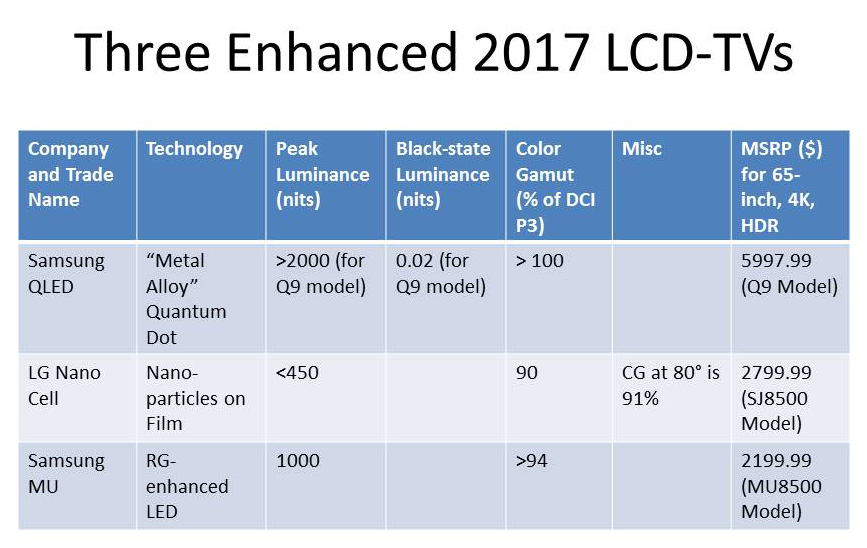
Three Premium 2017 LCD-TVs Plot Different Paths to Enhanced Performance

White LEDs in conventional LCD backlights fall short on green and red purity - a problem three premium 2017 sets attack in strikingly different ways. Samsung's QLED Q Series deploys redesigned quantum dots for peak luminance exceeding 2000 nits, LG bets on Nano Cell film technology for wider viewing angles, and Samsung's MU series uses red-green phosphor LEDs at a more accessible price point. Which approach wins the long game against OLED remains an open question.

Ken Werner
Columns

Turn Back The Clock?

Hon Hai's proposed U.S. LCD manufacturing plant sounds like an economic win, but the math tells a different story. Automated factories create fewer permanent jobs than politicians promise, and panels built stateside will cost significantly more than those shipped from China or Korea. With Sharp holding less than 1% of the 4K TV market and Samsung commanding over 30%, a domestically produced television faces brutal headwinds. The full picture raises uncomfortable questions about who actually benefits.

Pete Putman
Columns

The End Of One Era And The Start Of Another

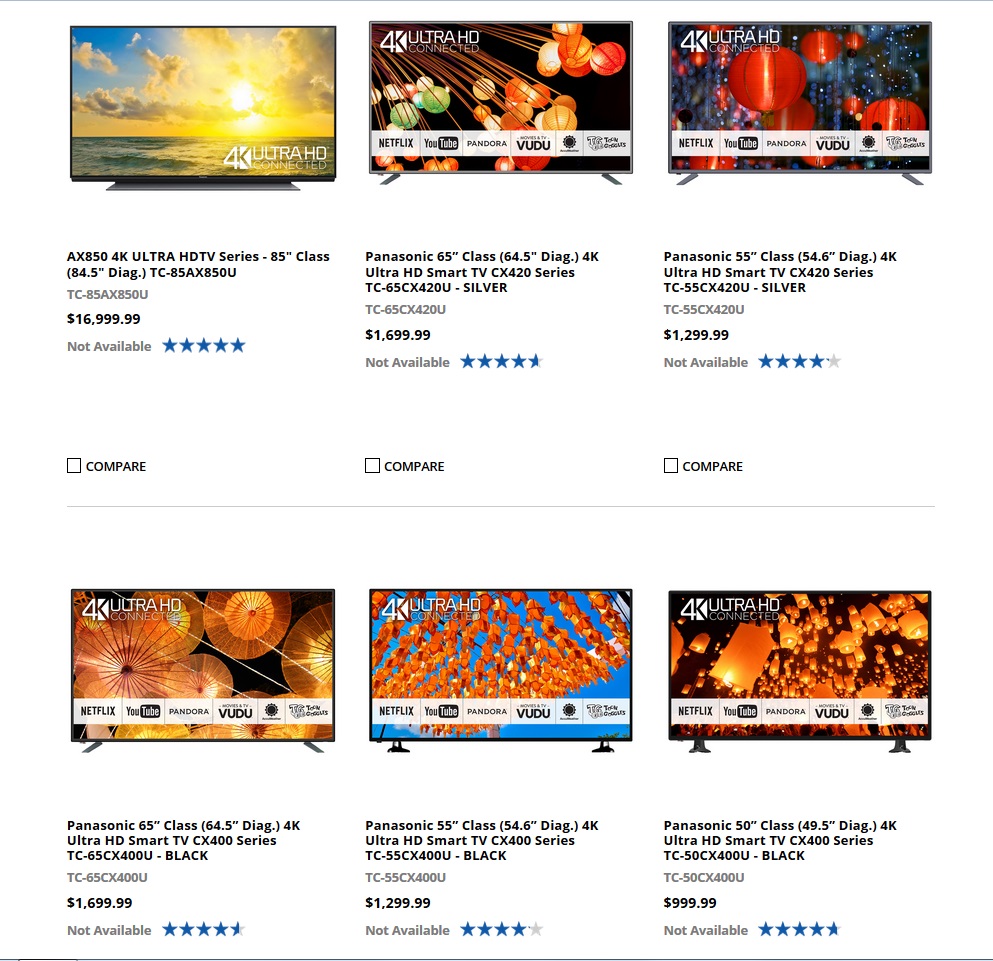
Panasonic's decision to shutter its Himeji LCD panel factory signals more than one company's retreat - it marks a seismic shift in the global TV market. With no Panasonic sets available at major U.S. retailers and Ultra HD models outnumbering Full HD offerings at Best Buy, the industry is accelerating toward 4K faster than anyone predicted. Chinese brands like Hisense and TCL are driving prices to jaw-dropping lows, and the full story of who wins this race is still unfolding.

Pete Putman
column

You Don’t Need A Weatherman

Sharp Corporation's potential sale to Hon Hai Precision Industries signals a seismic shift in consumer electronics manufacturing. Once commanding 21% of global LCD TV market share, Sharp now faces a $5B buyout offer from Foxconn's parent company after a decade of staggering losses. The deal reveals why Chinese manufacturers are positioned to dominate display technology - and why the old Tokyo business model may be finished for good.

Pete Putman
Columns

Are the Folks at QD Vision Worried?

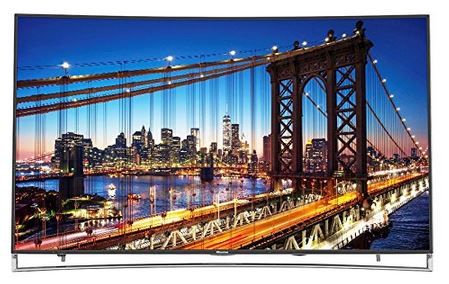
QD Vision's bullish Display Week presentation masks a growing structural threat. Direct backlighting captured over 60% of the TV market in 2014, and its compatibility with local dimming makes it essential for high dynamic range - a feature consumers actually respond to. Meanwhile, QDEF film from 3M and Nanosys delivers identical color gamut benefits without QD Vision's edge-lighting limitation. New Hisense ULED sets prove the momentum is real, and QD Vision's path forward may require a fundamental reinvention.

Ken Werner
Columns

We’re Not Having Fun Anymore…

Sharp's exit from American TV markets marks a stunning fall for the company that invented the LCD television business and once commanded 21% global market share. Meanwhile, Sony posts deceptively rosy quarterly numbers while its TV and mobile divisions quietly hemorrhage billions. With Panasonic's departure likely imminent, Japanese consumer electronics dominance in America is collapsing faster than anyone predicted. The full picture of who survives - and who doesn't - is sobering.

Pete Putman
Columns

How Sharp Makes Its “Free-form” Displays

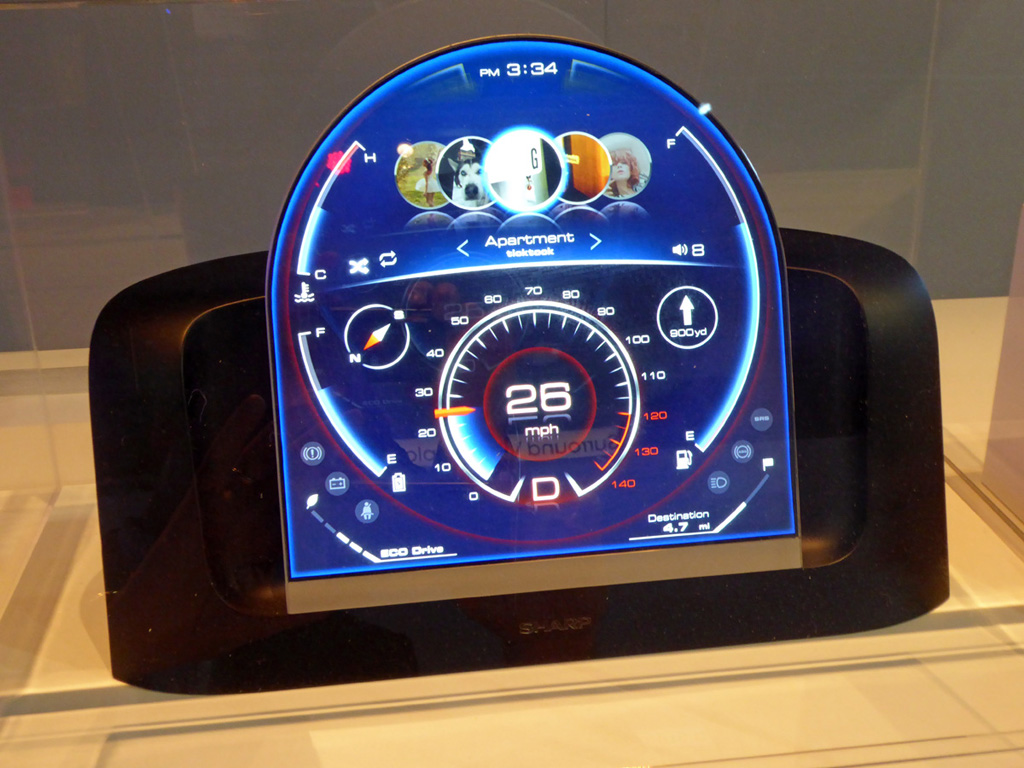
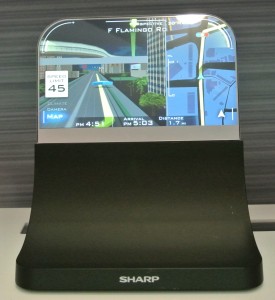
Sharp's free-form displays solve a longstanding engineering puzzle by eliminating conventional row drivers from display edges entirely. By dispersing gate driver monolithic circuitry across individual pixel locations within the image area and routing control signals through the bottom edge, Sharp achieves ultra-thin bezels on three sides. The result enables gracefully curved display shapes ideal for automotive instrument clusters - and the architecture works equally well for OLED panels.

Ken Werner
Columns

Sharp Makes a Big Play for Ultra HDTV

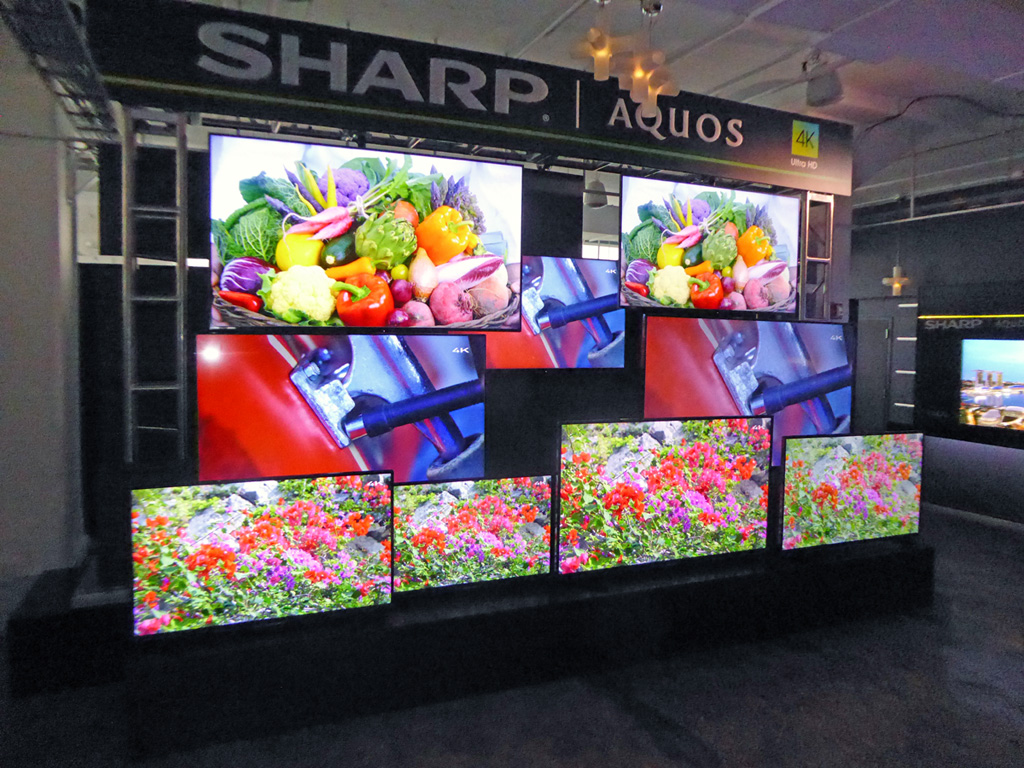
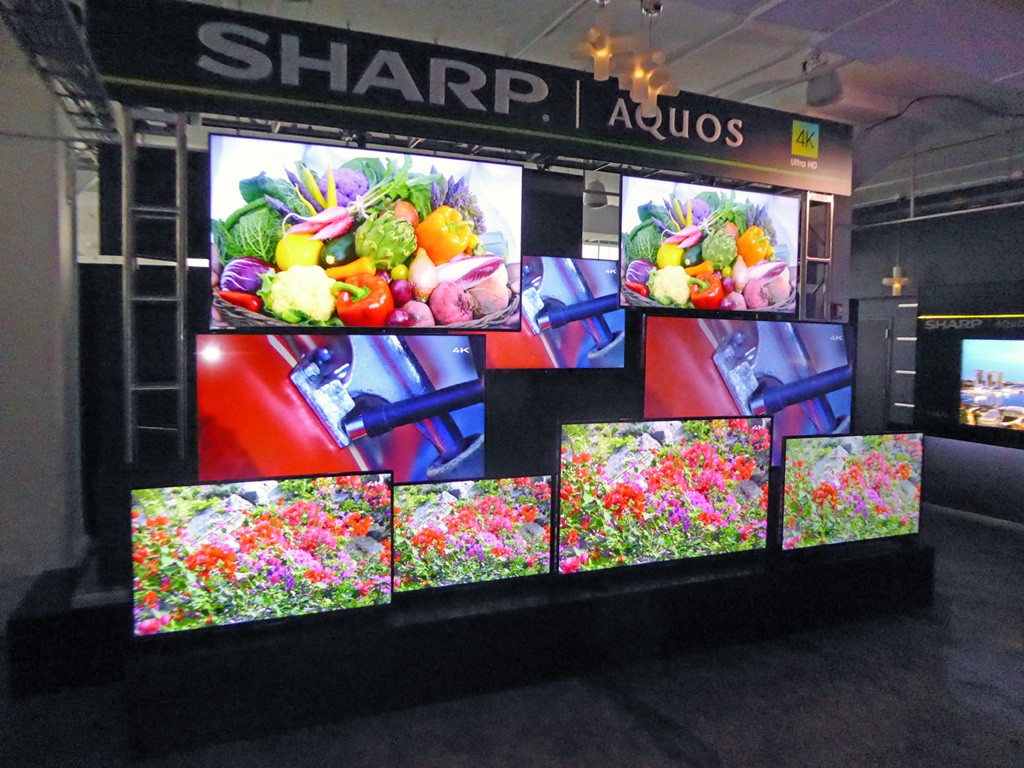
Sharp once commanded 21% of the global LCD TV market. Today, facing bankruptcy scares, shrinking shelf space, and fierce Korean rivals, the Japanese giant is betting its North American future on nine new Ultra HD sets ranging from 43 to 80 inches. Armed with Android TV, HEVC decoding, four HDMI 2.0 inputs, and a proprietary SPECTROS color technology, Sharp's comeback hinges on whether veteran sales executive Peter Weedfald can rebuild buzz around a brand many consumers have forgotten.

Pete Putman
column

The Cruelest Month, Indeed…

April is the cruelest month - and Sharp knows it well. Struggling since the Great Recession, the Japanese electronics giant is cutting 6,000 jobs worldwide while hemorrhaging hundreds of millions in losses. Despite owning the world's largest LCD fabrication plant and producing competitive 4K and 8K glass, consumers simply aren't buying enough Aquos TVs. With prices in free-fall and rivals Toshiba and Sony facing their own crises, Japan's TV industry faces a reckoning that may already be too late to reverse.

Pete Putman
column

Has Sony Finally Seen The Light?

Sony's television and smartphone divisions have hemorrhaged billions while rivals like Panasonic quietly returned to profitability by cutting losses cold turkey. Chairman Kazuo Hirai now refuses to rule out exiting both businesses, targeting a dramatic turnaround by 2018. Meanwhile, Sony's entertainment and gaming divisions remain genuinely profitable, prompting institutional investors to demand a radical strategic pivot. Whether Sony can finally abandon its consumer electronics legacy before the losses become truly unrecoverable remains the defining question.

Pete Putman
Columns

Ultra HD: A Race To The Bottom?

Vizio's new Ultra HD lineup sent shockwaves through the industry when it launched five full-array LED smart TVs starting at just $999. Samsung, LG, and Sony are already slashing prices to compete, yet Vizio still undercuts them significantly. With Chinese manufacturers pushing hard into 4K glass production and TV sales declining globally, this price war is accelerating faster than anyone anticipated. What happens to Ultra HD profitability when the race to the bottom has barely begun?

Pete Putman
Columns

The 800-pound gorilla just bellowed…

Vizio just crashed the Ultra HD party with P-Series 4K TVs priced hundreds below Sony, Samsung, and LG. A 55-inch model lands at $1,399 - $600 less than a comparable LG Ultra HD set - backed by full-array LED backlighting, HEVC support, and 4K streaming from Netflix and Amazon. With Vizio now a featured Best Buy brand, the Big Three face a serious reckoning. How they respond over the next few months will reshape the entire 4K market.

Pete Putman
column

Fat TVs Come Back

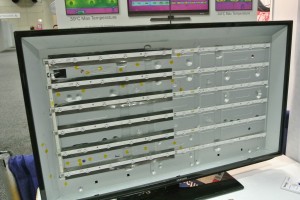
Thin TVs once defined premium design, but full-array LED backlights are pulling manufacturers back toward thicker builds - and for good reason. Local-area dimming, deeper blacks, and enhanced dynamic range deliver picture quality that edge-lit panels struggle to match. Vizio's 2014 M Series leads this shift with up to 36 dimming zones, while AmTRAN's budget JVC Emerald entry proves the technology scales across price points. Whether consumers embrace the extra depth depends on a question Sony's Tei Iki answered long ago.

Ken Werner
column