OLED TVs

LG Shows Off Its Commercial Displays and Systems

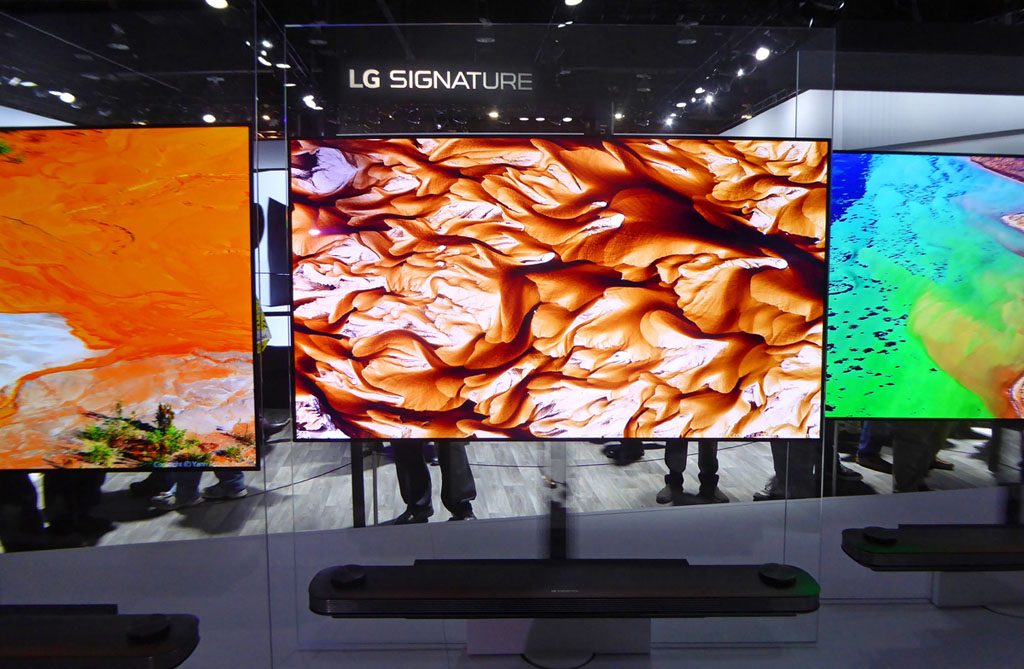
LG Business Solutions brought its commercial display technology to New York City, showcasing flexible OLED panels, ultra-wide stretch displays, and transparent LED film solutions. VP Dan Smith made clear that LG uniquely offers OLED, LCD, LED, and outdoor LCD under one roof, matching technology to application rather than pushing a single solution. From luxury hotel installations to McDonald's menu boards, the full scope of LG's commercial ambitions reveals a strategy worth watching closely.

Ken Werner
Bulletins

LG Is “All In” With OLEDs (Updated)

LG Display has gone all-in on OLED technology, betting its future on a manufacturing gamble that could reshape the television industry. A rare visit to LG's Paju, Korea facilities reveals why: OLED's emissive pixel architecture delivers contrast, shadow detail, and off-axis performance that LCD simply cannot match. From paper-thin wallpaper displays to flexible automotive dashboards, the technology's potential extends far beyond living rooms - and the price curve may surprise you.

Ken Werner
Columns

CES 2017 In The Rear View Mirror

Overheard on the CES show floor: 'Why do I have to come back to Las Vegas every year? I didn't do anything wrong.' Despite a laid-back atmosphere with few ground-breaking announcements, CES 2017 delivered meaningful signals about where consumer electronics is heading. OLED TVs gained a major new manufacturer, quantum dot displays went mainstream, micro LEDs emerged as a serious contender, and robots moved well beyond novelty. The full breakdown of trends and standout products reveals a technology landscape quietly shifting beneath the surface.

Pete Putman
column

OLEDs Can Fold. So What?

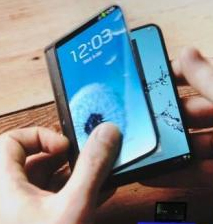
Folding OLED displays sound revolutionary, but the physics and consumer behavior tell a different story. Stack three layers of polymer OLED, touch panels, and Gorilla glass onto a robust locking hinge, and you have something suspiciously thick - and suspiciously clamshell. North American and Asian consumers already rejected clamshells once. Clever engineers can solve individual design challenges, but compromising both phone and tablet experiences to merge them raises a harder question. One practical application for truly flexible OLEDs does exist, though.

Ken Werner
Columns

On CE Week, Shoot-Outs, And Flies In The Ointment

CE Week's annual Value Electronics UHDTV Shoot-Out crowned LG's OLED65G6P the 2016 King of TV - but a persistent greenish color cast visible at roughly 35 degrees off-axis raises serious questions about the judging. Neither LG representatives nor the expert calibrator panel appeared to catch it. HDR and wide color gamut genuinely impress, yet one nagging optical anomaly in this year's winner deserves a much closer look.

Pete Putman
column

OLED-TV Is Real: Sales Reached $1 Billion Dollars in 2015

OLED-TV hit $1 billion in sales during 2015, a sevenfold jump from 2014, with LG commanding 90% of that market. IHS data reveals WOLED materials will overtake FMM RGB shipments by 2017, signaling a fundamental shift in what drives OLED growth. Samsung's anticipated entry, expanding LG lineups, and falling prices suggest premium OLED displays are finally approaching true mass-market territory. The full picture of where this technology is headed may surprise even seasoned observers.

Ken Werner
Columns

“HDR” Is Coming To Your Next TV. So What, Exactly, Does That Mean?

HDR is arriving on Ultra HDTVs, and it promises a viewing experience unlike anything current screens deliver. High dynamic range reproduces a minimum of 15 stops of light, yielding dramatically brighter whites, deeper blacks, and over a billion color shades through technologies like quantum dots and OLED panels. Combined with the BT.2020 wide color gamut standard, HDR represents a genuine leap forward - but navigating competing formats, hardware requirements, and content availability means your buying decision just got considerably more complicated.

Pete Putman
Columns

CES 2016 In The Rear View Mirror

CES 2016 packed 170,000 attendees into Las Vegas venues, and the trends that emerged surprised even seasoned observers. HDR failed to dominate as expected, virtual reality stole attention across multiple halls, and major TV makers quietly shrank their display footprints in favor of smart appliances. LG turned the show into an OLED coming-out party, while Samsung and Panasonic signaled where the real profits now live. The full picture reveals a consumer electronics industry in genuine transition.

Pete Putman
Columns

The Dog Days of Summer…and UHDTV

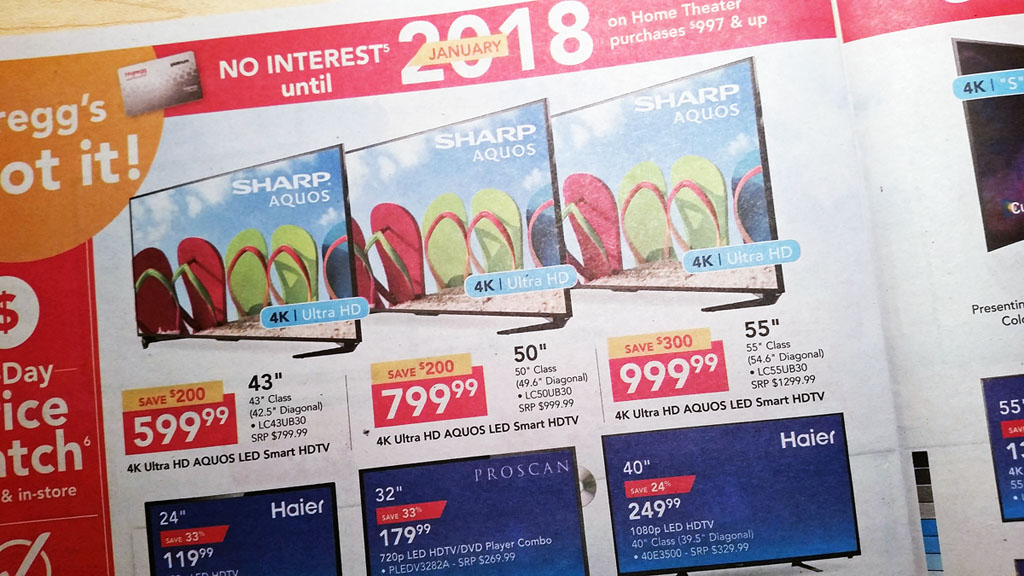
Summer may slow foot traffic in electronics stores, but TV prices refuse to take a vacation. Sharp's 43-inch Ultra HDTV now sells for $600, Samsung's HDR-ready S-series has shed $1,000, and even LG's OLED lineup saw dramatic cuts. With 4K sets pushing below the $1,000 barrier faster than expected, the shift from 1080p to 2160p in larger screen sizes could arrive well ahead of schedule. Fall shopping season promises to be very interesting.

Pete Putman
Columns

Waiting for Godot

Novel display technologies rarely arrive on schedule - and sometimes miss their window entirely. Field-emission displays promised a revolution but collapsed under technical complexity just as LCDs caught up. Meanwhile, Pentile architecture waited years before finding its ideal application in Samsung OLED panels. Today, designers are still waiting: for reflective color displays, viable micro-LEDs, and whatever Amazon's Liquavista team is quietly building. The next breakthrough may already exist in a lab somewhere, biding its time.

Ken Werner
Bulletins

OLED TV: Second Wind?

OLED television is gaining serious momentum after years of slow growth. LG Display plans to ship 1.5 million TV-sized panels in 2016, potentially capturing over a third of the high-end market, while production capacity expansions signal genuine confidence. Meanwhile, confirmed industry intelligence points to Samsung re-entering OLED-TV manufacturing using color-by-white technology rather than its own RGB approach. What this competitive shift means for pricing, availability, and the premium TV landscape deserves a closer look.

Ken Werner
Bulletins

LG Is “All In” With OLED TVs

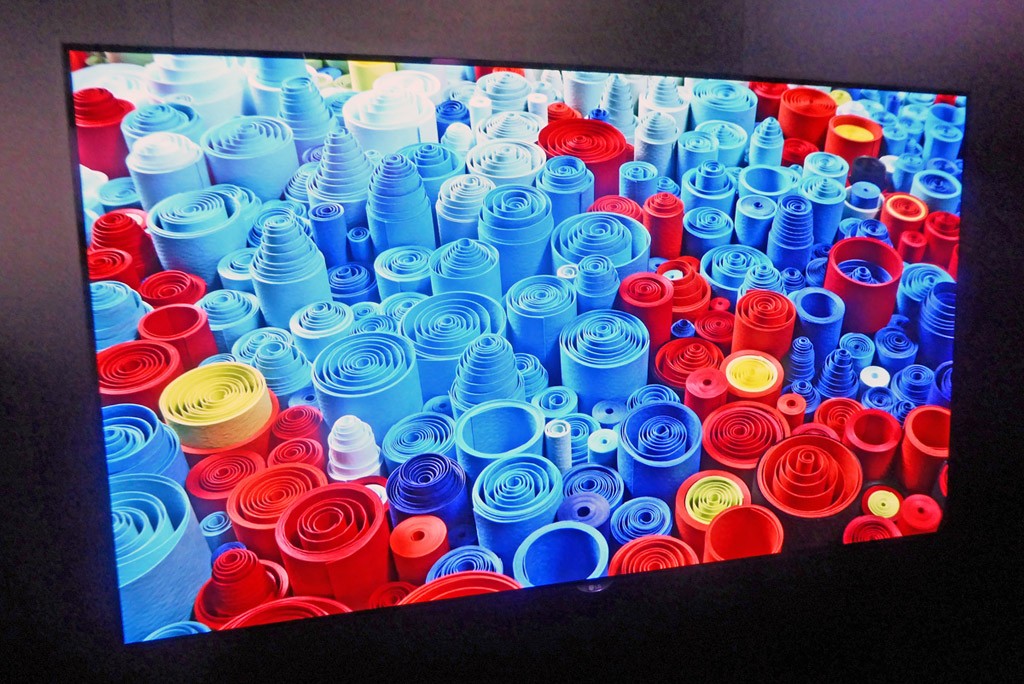
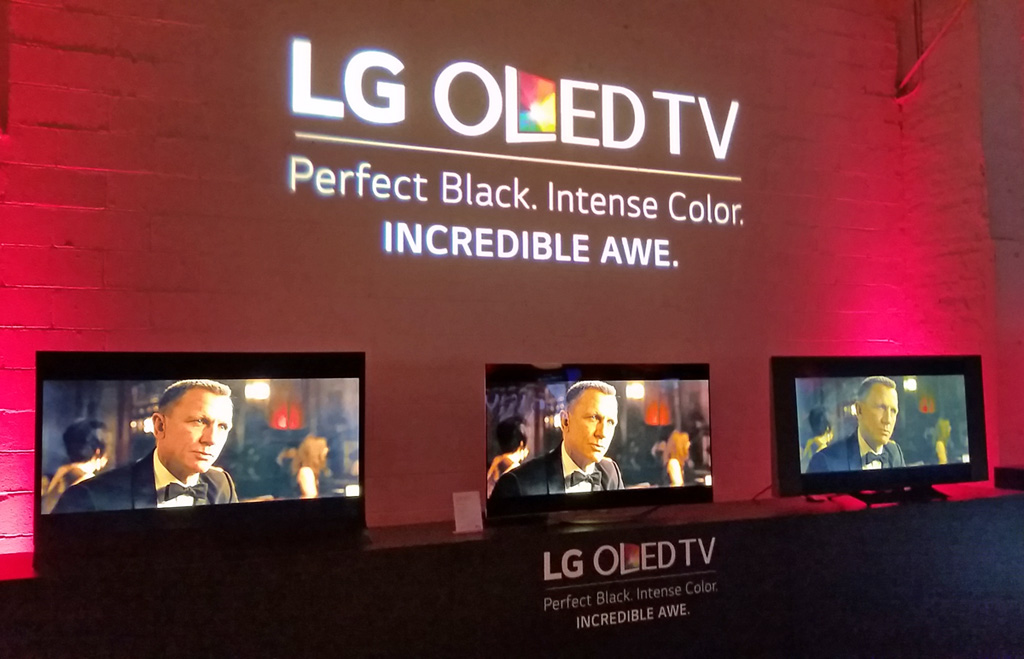
Plasma loyalists, take note: OLED televisions are finally arriving in force, and LG is betting everything on the technology. At a Manhattan launch event tied to Netflix's Daredevil, the case for OLED became undeniable - rich blacks reaching .05 nits, true HDR capability, and manufacturing yields now surpassing 50% are driving prices toward reality. With UHD resolution and superb upscaling already confirmed, the full LG OLED lineup promises to be worth the wait.

Pete Putman
column

CES 2015 In The Rearview Mirror

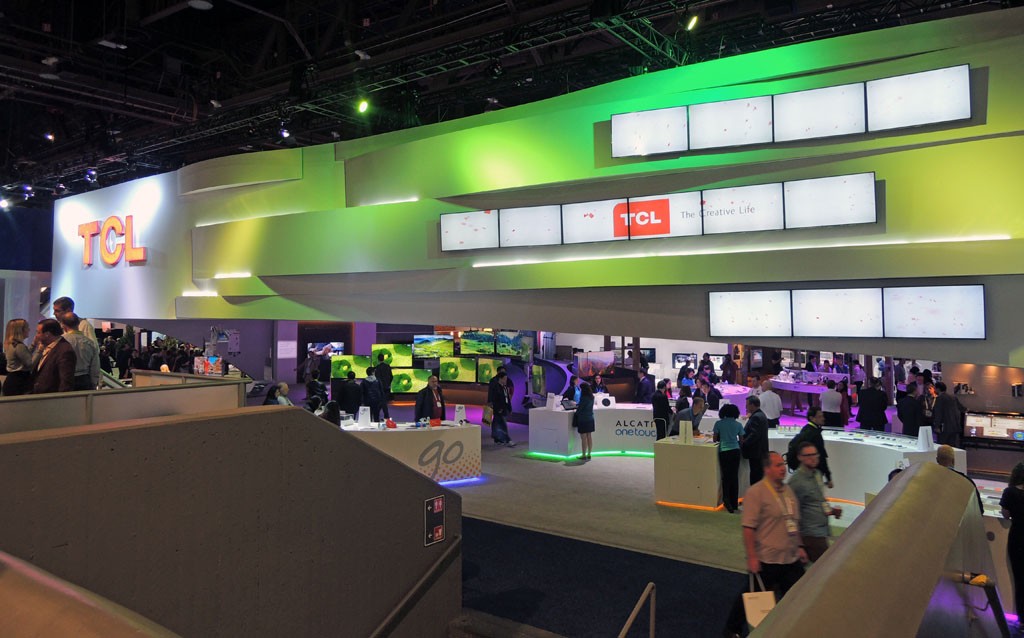
CES 2015 delivered more than press release noise - it revealed a seismic shift in consumer electronics power. Chinese brands like TCL, Hisense, and Changhong now command floor space once dominated by Sony and Toshiba, while 4K Ultra HD with HDR and quantum dot displays became table stakes rather than showstoppers. LG doubled down on OLED with five new Ultra HD models, claiming 70% manufacturing yields. What truly separated signal from noise at this year's show runs deeper than any single product announcement.

Pete Putman
Columns

LG Display’s New Line for TV-sized OLED Panels to Ramp up this Year

LG Display's new M2 OLED panel line is set to quadruple production capacity, targeting 34,000 units monthly across 55-, 65-, and 77-inch sizes. Dramatic yield improvements - driven by advances in IGZO stability and oxide-TFT process control - are pushing costs down, though prices will likely remain double those of Ultra HD LCD TVs through 2016. Chinese manufacturers like TCL and Hisense may soon enter the picture with something unexpected.

Ken Werner
Columns

It’s All About The Pipes

LG Display's Paju manufacturing complex reveals why OLED technology represents a massive gamble against a commoditized LCD market. A firsthand tour of the fabs and Innovation exhibit exposes the real science behind white OLED emitters, their stunning HDR shadow detail, and the brightness trade-offs that separate them from quantum-dot LCD rivals. Unresolved questions about off-axis color tinting and differential aging of blue emitters suggest the technology still has some intriguing secrets to give up.

Pete Putman
Columns