HDMI

HDMI 2.1 Update – Pretty Much Status Quo

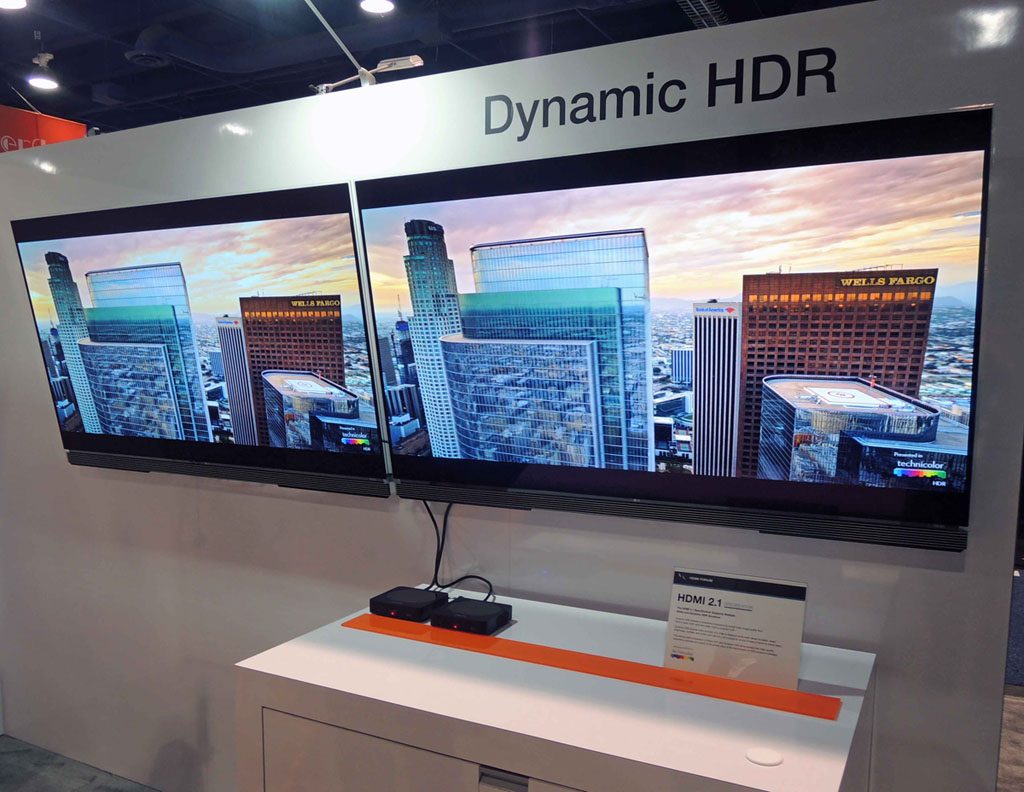
HDMI 2.1 arrived with a quantum leap in bandwidth - jumping from 18 Gb/s to a stratospheric 48 Gb/s - yet a New York press conference revealed surprisingly little new ground. Packet-based signaling, DSC compression, and Socionext chipsets are moving the standard forward, but optical support remains absent and manufacturer adoption stays murky. With 8K TVs hitting shelves and high frame rate video looming, the real test comes at CES.

Pete Putman
Columns

Useful Gadgets (And They’re Smart, Too!): IO Gear Ultra Long Range Wireless HDMI Link And Amped Wireless Apollo PRO Long Range HD Web Cam

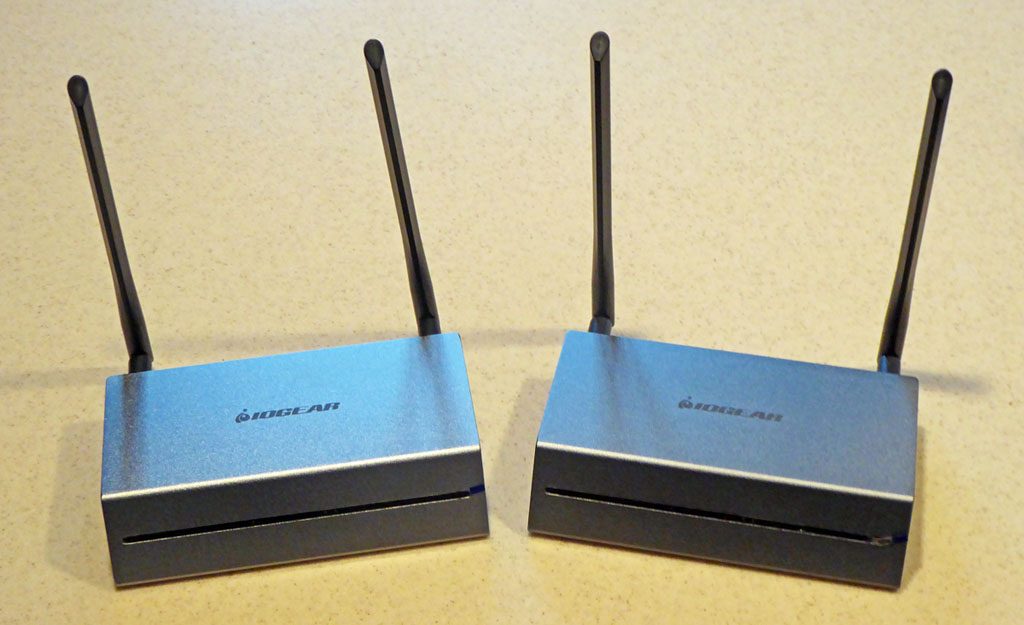
Wireless connectivity has transformed consumer electronics, and two products push that evolution further. IO Gear's Ultra Long Range Wireless HDMI Link streams Full HD video up to 600 feet using bonded 5 GHz WiFi channels, while Amped Wireless's Apollo PRO delivers 720p HD surveillance with motion-triggered cloud recording. Both auto-configure with minimal setup and pack limited AI smarts into capable hardware. Whether either justifies its premium price tag depends entirely on your installation demands.

Pete Putman
column

InfoComm Tech Trends for 2017

HDR compatibility is flooding trade show floors and product spec sheets, but what does it actually mean for signal management? High dynamic range demands far more than wider luminance - it requires 10- to 12-bit color depth, expanded Rec.2020 color gamut, and data rates that push HDMI 2.0 to its limits. Quantum dots, OLED, and compression tools like Display Stream Compression each play a role in solving the bandwidth puzzle, and the full picture is more nuanced than any marketing badge suggests.

Pete Putman
Columns

HDR: What’s It All About, and How Does It Affect Interfacing?

High dynamic range imaging is reshaping how televisions reproduce light, color, and shadow - but its impact on signal interfacing is where things get technically demanding. HDR's expanded luminance range and wider color gamut dramatically increase data payloads, pushing HDMI 2.0 to its limits and forcing tradeoffs in color resolution and compression. Understanding what 'HDR compatible' actually means - and what it doesn't - reveals a landscape where speed, not magic, determines performance.

Pete Putman
Columns

HDMI 2.1: The Need For Speed Continues

HDMI 2.0 barely squeezed 4K/60 through its 18 Gb/s pipe, leaving HDR and wide color gamut stranded without adequate bandwidth. HDMI 2.1 answers with a jaw-dropping 48 Gb/s, achieved through an extra data lane, doubled per-lane speeds, and a leaner 16b/18b coding scheme that cuts overhead from 20% to 12%. Whether this spec translates into real products quickly enough to matter - before AV-over-IP rewrites the rulebook entirely - is the question worth watching.

Pete Putman
column

Hey, Whatever Happened To superMHL?

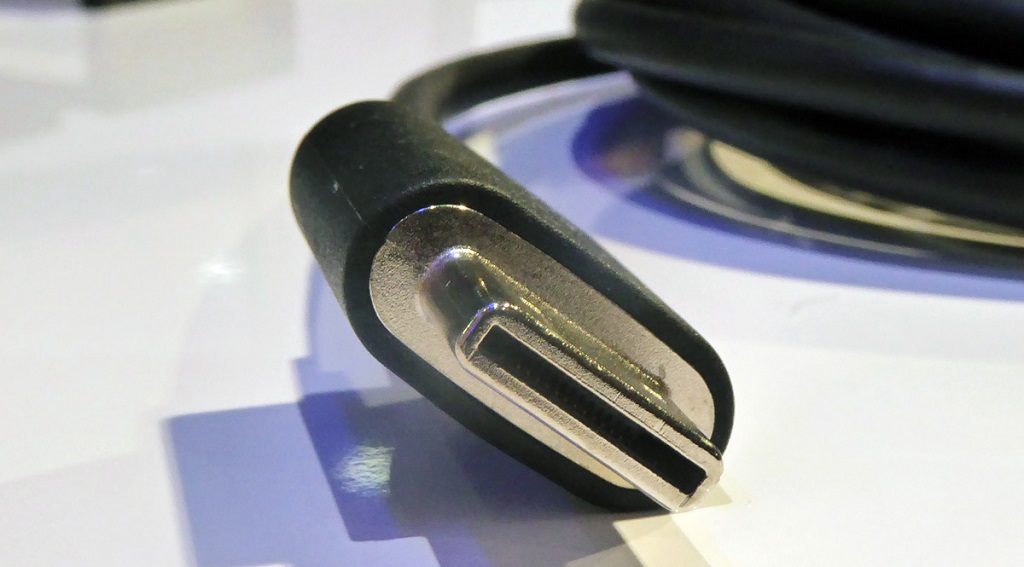
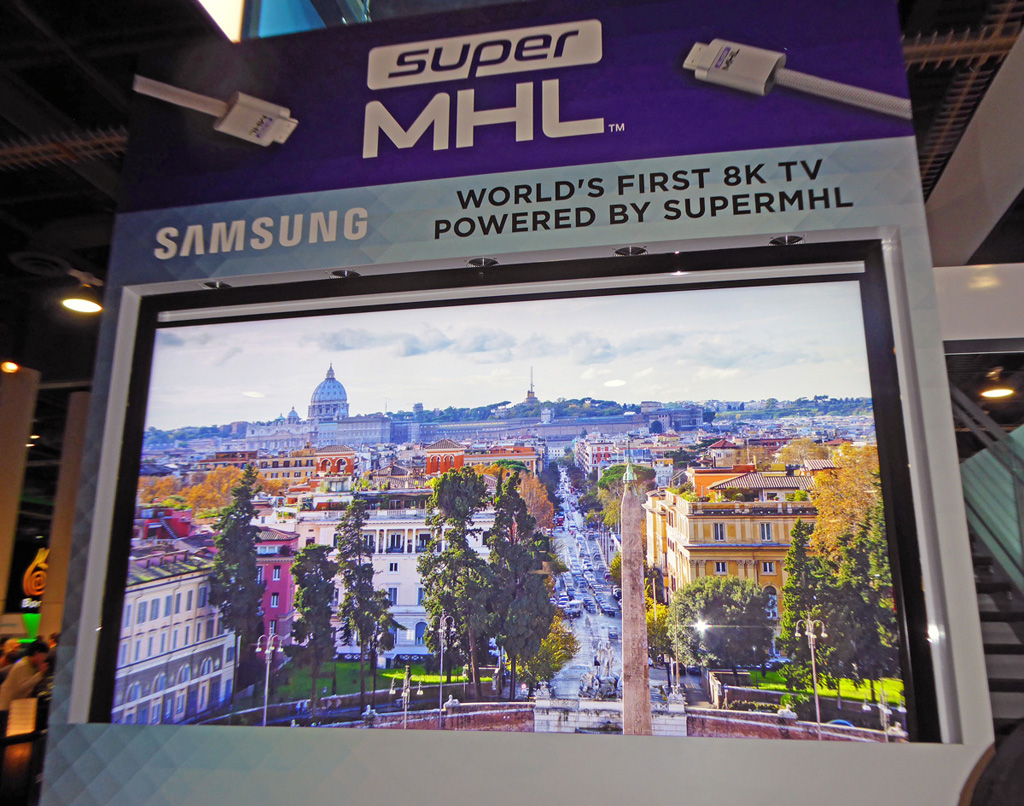
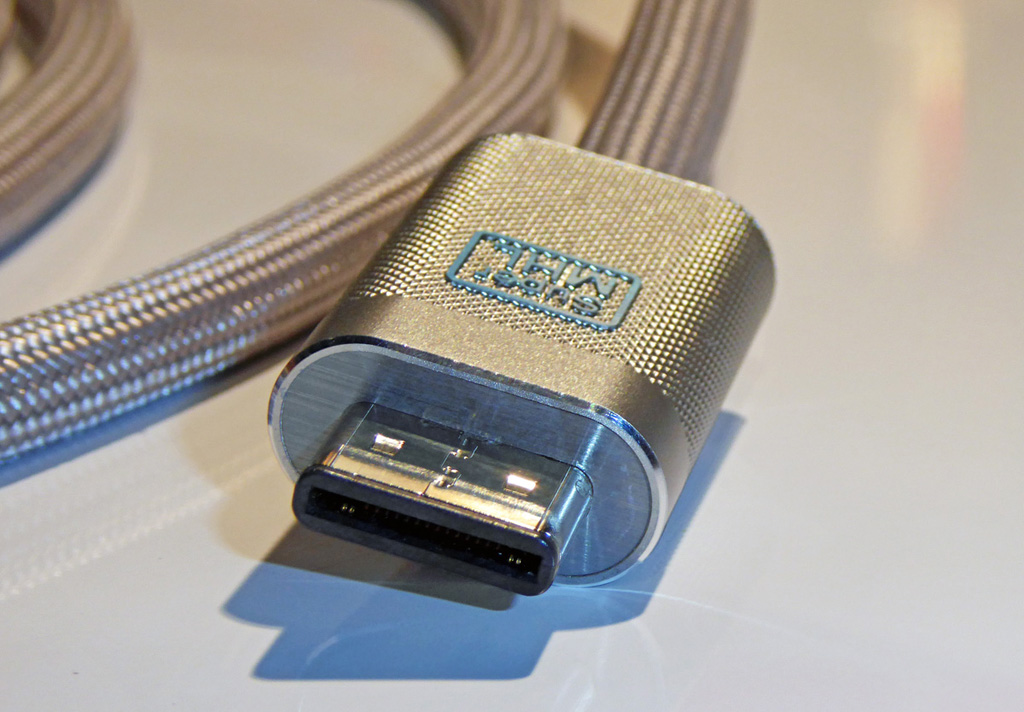
Sometimes the most impressive technology never makes it out of the demo room. Silicon Image unveiled superMHL two years ago with jaw-dropping specs: 36 Gb/s throughput, 8K support, USB Type-C compatibility, and a symmetrical plug design that outpaced every rival interface. Yet despite stunning trade show demonstrations, superMHL has gone nearly silent in the market. The reasons involve royalty streams, slow HDMI 2.0 adoption, and a branding identity crisis that may have doomed a genuinely superior connector before it ever shipped.

Pete Putman
Columns

Ultra HDTV, HDMI 2.0, and HDCP 2.2 – Oh, What A Tangled Web We Weave…

Buying a Samsung UHD Blu-ray player to pair with a Samsung Ultra HDTV sounds foolproof - until HDCP 2.2 handshake failures force 1080p downconversion and a $400 upgrade kit enters the picture. Real-world compatibility between HDMI 2.0 devices and copy-protection standards remains a minefield for early adopters. If you're eyeing a 4K setup, the lessons buried in this frustrating saga may save you serious money and headaches.

Pete Putman
Columns

AV-over-IP: It’s Here. Time To Get On Board!

Legacy HDMI switching matrices are expensive, bandwidth-capped, and already obsolete. As the broadcast, telecom, and streaming worlds complete their migration to IP infrastructures, the commercial AV industry keeps clinging to proprietary display interfaces and Band-Aid extensions. Standard codecs, off-the-shelf network switches, and optical fiber offer a faster, more scalable, and genuinely future-proof alternative. Whether the industry embraces the shift willingly or gets dragged along, one thing is certain: AV-over-IP is coming for everything.

Pete Putman
column

Display Interfacing: Welcome to Babylon

Plugging in a yellow RCA connector once defined video interfacing. Today, competing standards - HDMI 2.0, DisplayPort, superMHL - are pulling commercial AV integrators in dangerous directions while 4K and UHD demand more bandwidth than most installed systems can deliver. IP-based distribution architectures already solve these problems for broadcasters and telecom operators. The real question is whether commercial AV professionals will make the leap before their HDMI investments become expensive dead ends.

Pete Putman
Columns

The Wires Remain The Same. Only the Format Has Been Changed (to Confuse the Innocent)

Category wire and RJ-45 plugs never really went away - they just got smarter. As pro AV shifts from proprietary cabling to digital signal distribution, three competing approaches are battling for dominance: HDBaseT, BlueRiver NT, and conventional AV-over-IP using H.265 compression. Each carries real trade-offs in latency, distance, openness, and cost. Understanding those differences now could save a costly infrastructure mistake later - and one clear frontrunner is already emerging.

Pete Putman
Columns

Look Out, HDMI – Here Comes Super MHL!

Super MHL just crashed the display interface party. The MHL Consortium's superMHL specification delivers a staggering 36 Gb/s across six lanes, supports 8K at 120 Hz, HDR, BT.2020 wide color, and object audio - all through a reversible 32-pin connector compatible with USB Type-C. Where HDMI 2.0 hits a hard speed ceiling at 18 Gb/s, superMHL blows past it with room to spare. Whether it displaces HDMI or carves its own niche in the next-generation display ecosystem is a question worth watching closely.

Pete Putman
column

Pixelworks Improves Mobile Display Quality While Reducing System Cost

Digital signal distribution is at a crossroads, with three competing approaches vying for dominance in pro AV and home theater installations. HDBaseT offers uncompressed reliability but hits a 330-foot wall. AV-over-IP leverages H.265 and open networks for virtually unlimited scalability. Then there is BlueRiver NT, promising low-latency compression through standard switches. Each format carries real trade-offs in cost, flexibility, and future-proofing that installers and enthusiasts cannot afford to ignore.

Ken Werner
Columns

There’s fast…and then there’s FAST.

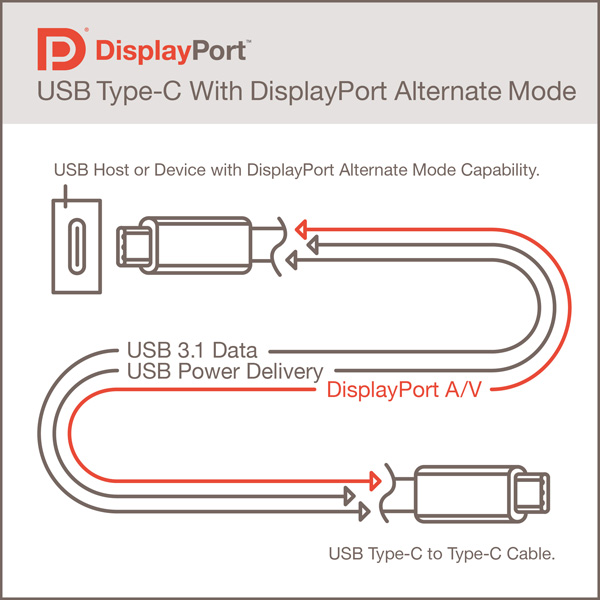
HDMI 2.0 raised the bar with 18 Gb/s bandwidth, but DisplayPort 1.3 nearly doubles that with a staggering 32 Gb/s - enough to carry 4K/60Hz video at 10-bit color depth without breaking a sweat. Now, VESA and the USB 3.0 Promoter Group have pushed the envelope further with USB Type-C Alternate Mode, merging high-speed data, 100-watt power delivery, and full DisplayPort capability into a single reversible connector. The implications for 4K content delivery are only beginning to unfold.

Pete Putman
column
HDTV and Home Theater Podcast - Podcast #628: New Pioneer Receivers

HDTV and Home Theater Podcast - Podcast #628: New Pioneer Receivers

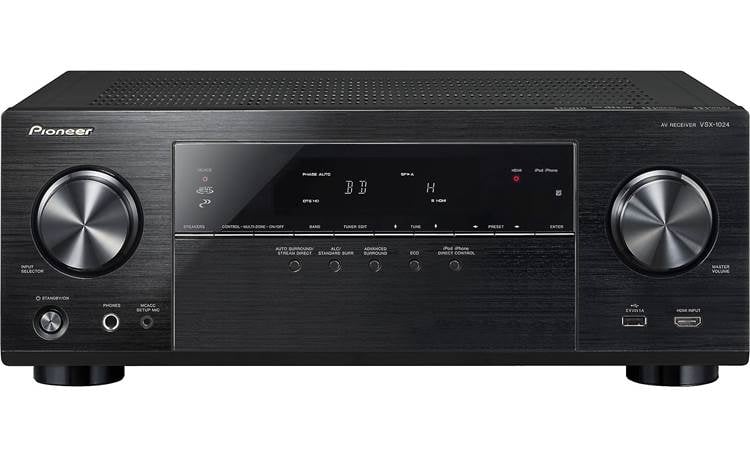
Pioneer's five new VSX-line receivers mark the first consumer AV receivers to support HDMI 2.0, enabling 4K/60fps passthrough and expanded color depth for Ultra HD displays. The flagship VSX-1124 ($599) pairs an ES9006S DAC running at 192kHz/24-bit with multi-channel FLAC/WAV playback and DSD 2.8 MHz support, while the Elite VSX-80 ($700) adds Crestron and Control4 compatibility with full two-way RS-232C-over-IP control. Buyers evaluating a 4K home theater upgrade will find these receivers cover both high-resolution audio and next-generation video connectivity in a single unit.

The HT Guys
Podcasts

HDTV and Home Theater Podcast - Podcast #625: Gefen TV Wireless Extender for HDMI 60 GHz

The Gefen TV Wireless HDMI Extender (GTV-WHD-60G) operates on the 60 GHz frequency band, delivering uncompressed 1080p Full HD video with near-zero latency (less than one frame) and support for Dolby TrueHD and DTS-HD Master Audio up to 7.1 channels. Its strict line-of-sight requirement limits range to a reliable 33 feet and prevents through-wall use, but blind tests confirmed indistinguishable audio and video quality compared to a wired HDMI connection. At a street price of around $300, it is a strong choice for projector or flat panel installations where signal quality outweighs placement flexibility.

The HT Guys
Podcasts