Market Trends & Analysis

AV-over-IT, Unplanned Obsolescence, and Unintended Consequences

AV-over-IP is reshaping more than signal routing - it's quietly dismantling the engineering workforce that built broadcast and professional AV from the ground up. As facilities trade dedicated technical staff for IT generalists and swap capital hardware investments for disposable commodity gear, the industry faces a reckoning few are openly discussing. Whether this shift delivers genuine efficiency or simply trades deep expertise for short-term savings remains an open and urgent question.

Pete Putman
column

NAB 2019: Where Does It Go From Here?

Twenty-five years of NAB Show attendance offers a striking vantage point: enormous hardware booths have shrunk, tape has vanished, and software now rules a floor once dominated by six-figure broadcast gear. Attendance dropped 11.6% in two years, and the show's identity feels uncertain. Yet 8K cameras from Sony, Sharp, Ikegami, and others signal where professional video is heading, with the 2020 Olympics poised to accelerate adoption in ways few anticipated.

Pete Putman
column

HPA Tech Retreat 2019: 8K Is Here, Ready Or Not…

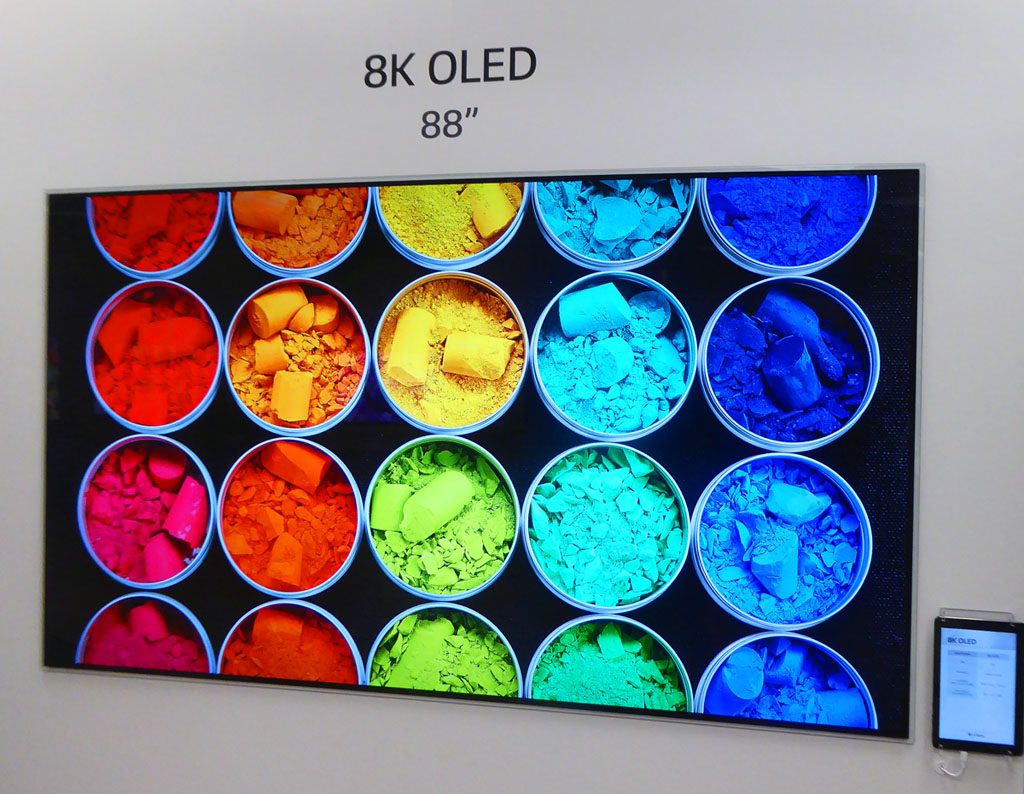
8K television is arriving faster than the industry can support it. Supply chain decisions in Asia are driving Chinese fabs to mass-produce 8K panels, anticipating five million shipments by 2022, yet critical pieces remain missing: lenses, display interfaces, codecs, and content are all lagging behind. AI-powered upscaling may bridge the gap temporarily, but the deeper question raised at HPA Tech Retreat 2019 challenges whether chasing pixel counts is even the right priority anymore.

Pete Putman
column

CES 2019 In the Rear View Mirror

CES 2019 delivered a striking reminder of how far display technology has traveled since plasma giants and upscaling DVD players ruled the show floor. Eight-K televisions from LG, Samsung, Sony, Sharp, and a wave of Chinese brands dominated booths, while AI-powered processors scaled standard-definition content with jaw-dropping results. Mini-LED backlights, collapsing TV prices, and near-field wireless technology at 96 gigabits per second signal where home entertainment is heading next.

Pete Putman
Columns

R.I.P For Home Theater Projectors?

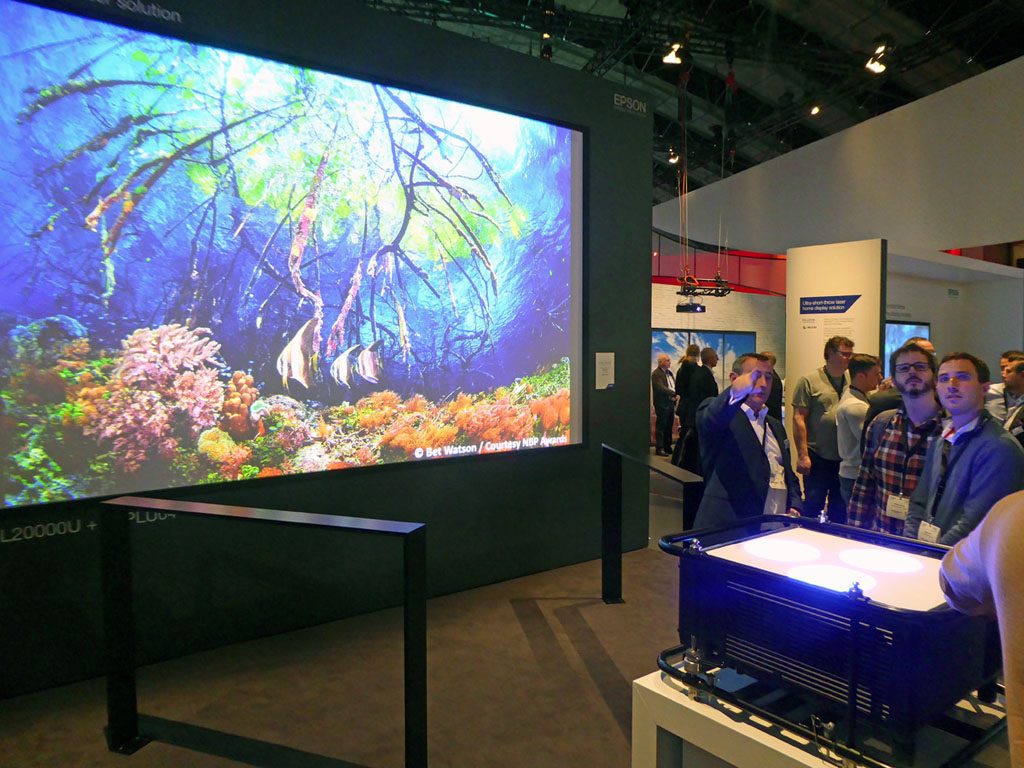
Falling flat-screen prices are quietly threatening home theater front projection's survival. With 85-inch Ultra HD displays now matching decade-old projector prices, and 8K panels from Samsung and LG arriving faster than anyone anticipated, the case for keeping a projector and screen grows harder to justify. Micro-LED advances in commercial cinemas hint at where home displays are heading next, and the trajectory points toward a future where projectors become nostalgic relics.

Pete Putman
Columns

Goodbye, Quality?

Over-the-air HD broadcasting is changing fast, and not always for the better. The FCC's spectrum auction forced dozens of stations off their channels, pushing broadcasters into shared multiplexes where bit rates have plummeted from 14 Mb/s to as low as 3 Mb/s for HD content. Philadelphia's UHF band tells the story clearly - ten dark channels, four stations crammed onto a single VHF carrier. Whether ATSC 3.0 can rescue broadcast quality before viewers stop caring is the real question.

Pete Putman
Columns

Blu-Ray: On The Endangered Species List?

Physical media is losing ground fast. Ultra HD Blu-ray players are selling at roughly two units per hundred 4K TVs purchased, while streaming subscriptions surpass 100 million worldwide and codec advances keep closing the quality gap. Futuresource projects global Blu-ray player shipments will shrink from 72 million to 68 million by 2023. Whether disc-based formats can survive a market increasingly defined by broadband delivery and disposable hardware is a question worth examining closely.

Pete Putman
Columns

InfoComm 2018 In The Rear View Mirror

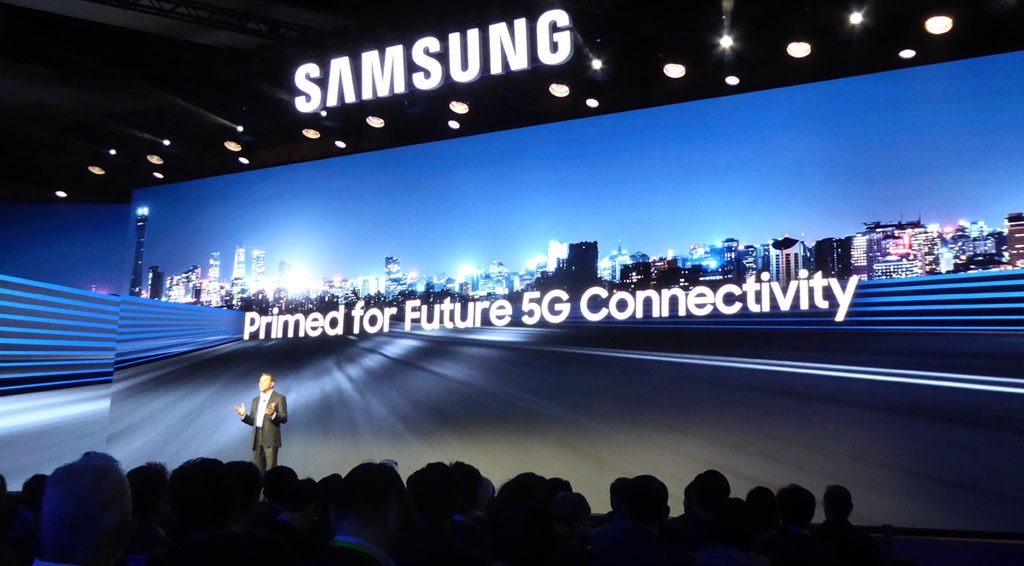
InfoComm 2018 delivered two unavoidable themes: LED displays dominating every corner of the Las Vegas Convention Center and AV-over-IT reshaping signal distribution. Yet beneath those headlines, sharper conversations emerged around 8K video tiling, voice-controlled AV systems demanding two-factor authentication, and 5G networks threatening to upend wireless connectivity as we know it. Our industry is accelerating toward changes that will redefine how professionals design, install, and secure audiovisual systems in the coming decade.

Pete Putman
Columns

Heads Up! Here Comes 8K TV (or, The Case Of The Amazing Vanishing Pixels)

8K displays are arriving faster than most consumers expected, with nearly 6 million units projected to sell by 2022. Sharp, Sony, Samsung, and LG are already producing panels, while Japan's NHK drives 8K broadcasting toward the 2020 Tokyo Olympics. IGZO transistors promise 120Hz refresh rates and lower power consumption, making 8K technically formidable. Meanwhile, 4K pricing collapses into mainstream territory, raising a provocative question about what signal distribution infrastructure must overcome before 8K reaches your living room.

Pete Putman
column

The 2018 HPA Tech Retreat: Digital In The Desert

Over 600 industry professionals converged on Palm Desert for the 2018 HPA Tech Retreat, where HDR format wars, Ultra HDTV commoditization, and gadget fatigue dominated conversation. Cheap HDR-equipped sets are flooding the market, yet HDMI handshake failures and scarce 4K content leave early adopters frustrated. Roundtable discussions revealed that even tech-savvy professionals are questioning whether every device in their home truly needs an internet connection - a tension that defined the entire event.

Pete Putman
Columns

ISE 2018 In the Rear View Mirror

Amsterdam's Integrated Systems Europe 2018 drew 70,000 attendees and one dominant theme: AV signal distribution migrating to IT networks. Codec wars erupted on the show floor, with Crestron, SDVoE, and HDBaseT trading latency claims in competing side-by-side demos. Micro-LED displays threatened projector dominance, collaboration tools raced toward analytics, and plummeting hardware costs quietly reshaped the entire commercial AV landscape. The full picture reveals just how fast this industry is transforming.

Pete Putman
Columns

CES 2018 In The Rear View Mirror (Or, what a difference a decade makes…)

A decade separates two very different Consumer Electronics Shows, and the contrast is staggering. In 2008, plasma giants ruled Las Vegas while Netflix had just launched streaming and tablets didn't exist. Today, a 55-inch 4K smart TV costs what a mid-range plasma fetched back then, and televisions themselves have been upstaged by AI assistants, autonomous cars, and connected appliances. What the industry looked like then versus now reveals where it may be heading next.

Pete Putman
Columns

On China, IoT, AI, and Trade Shows

Global electronics manufacturing has shifted dramatically eastward, and the ripple effects are reshaping everything from your living room TV to professional AV installations. Chinese brands like TCL and Hisense now sell 4K televisions under $500, forcing established players to slash prices across the board. Add IoT connectivity and AI-driven automation into the mix, and the entire industry faces a reckoning - one that trade show floor plans are already quietly reflecting.

Pete Putman
column

LG Shows Off Its Commercial Displays and Systems

LG Business Solutions brought its commercial display technology to New York City, showcasing flexible OLED panels, ultra-wide stretch displays, and transparent LED film solutions. VP Dan Smith made clear that LG uniquely offers OLED, LCD, LED, and outdoor LCD under one roof, matching technology to application rather than pushing a single solution. From luxury hotel installations to McDonald's menu boards, the full scope of LG's commercial ambitions reveals a strategy worth watching closely.

Ken Werner
Bulletins

The Times They Are A-Changing: Hisense Buys Toshiba’s TV Business

Hisense just expanded its global television empire by acquiring Toshiba's TV business unit for 12.9 billion Japanese Yen. The deal grants Hisense 95% of Toshiba Visual Solutions, two Japanese factories, hundreds of R&D engineers, and a 40-year license to use the Toshiba brand across Europe, Southeast Asia, and beyond. Combined with its existing Sharp brand rights, Hisense now controls a formidable multi-brand strategy - and the implications for the global TV market run deeper than this announcement suggests.

Pete Putman
Columns